Calm in a crisis
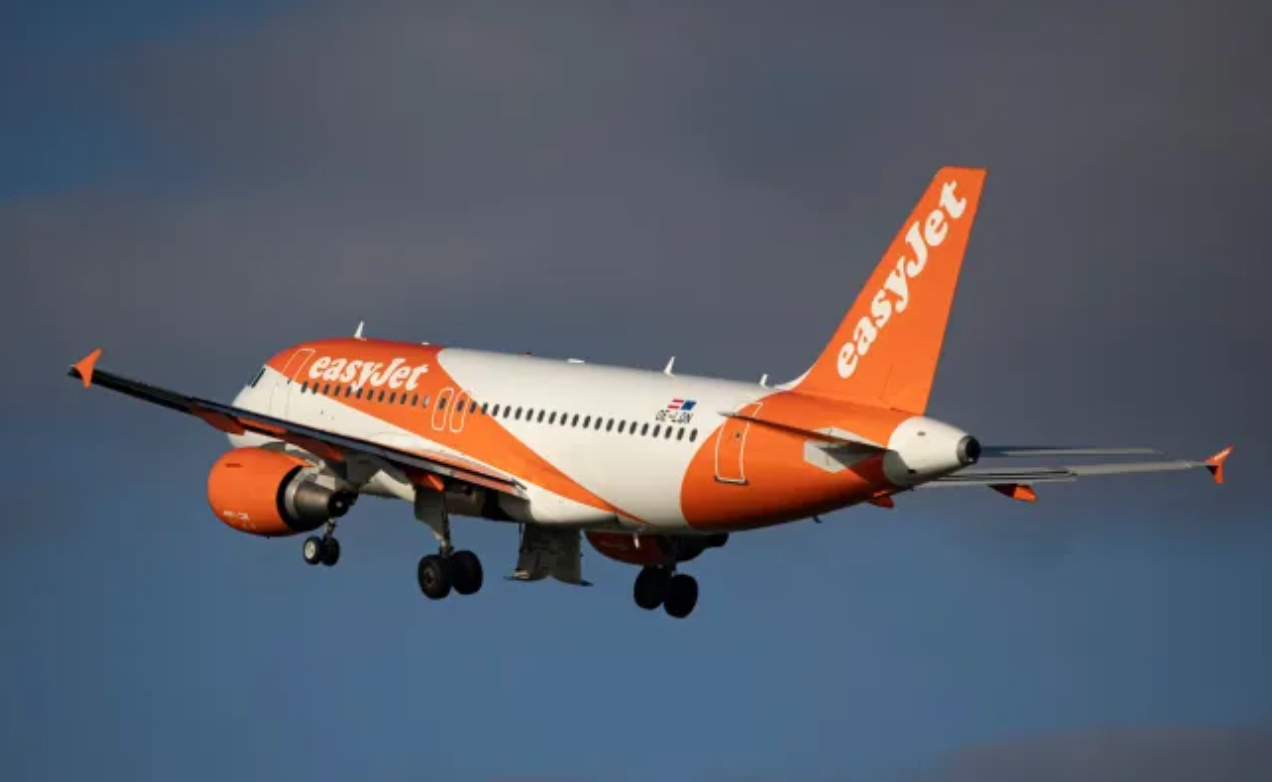
I’ve been flying for more than 50 years. 10 days ago I had a first! I was on a flight from Lisbon to London Gatwick. The flight was delayed due to adverse weather in London.
It was a smooth flight until we made our final approach to Gatwick; the wind speed increased dramatically, and there was a bang.
People looked at each other nervously, but we continued with our final approach.
Wheels down, wings rocking up and down, we are less than 500 meters to touch down when the plane gets hit by a Wind shear, the landing is aborted, and we ascend vertically like a Saturn 5 rocket.
After what seemed like an eternity, the Portuguese captain addressed the cabin.
Explaining the meteorological phenomenon we just experienced, he said in a very calm and reassuring way that we would be making another attempt at landing.
The words that stuck were: “No matter what, your safety is my number one concern”.
The cabin was reassured, and 10 minutes later, he landed the plane to much applause.
Why am I telling you this?
For me, this was a great example of leadership in action. His candour, his words and the manner in which they were delivered, calmed 200 very nervous passengers and crew. He engendered trust, and we believed he cared about us!
No news, Nobody cares
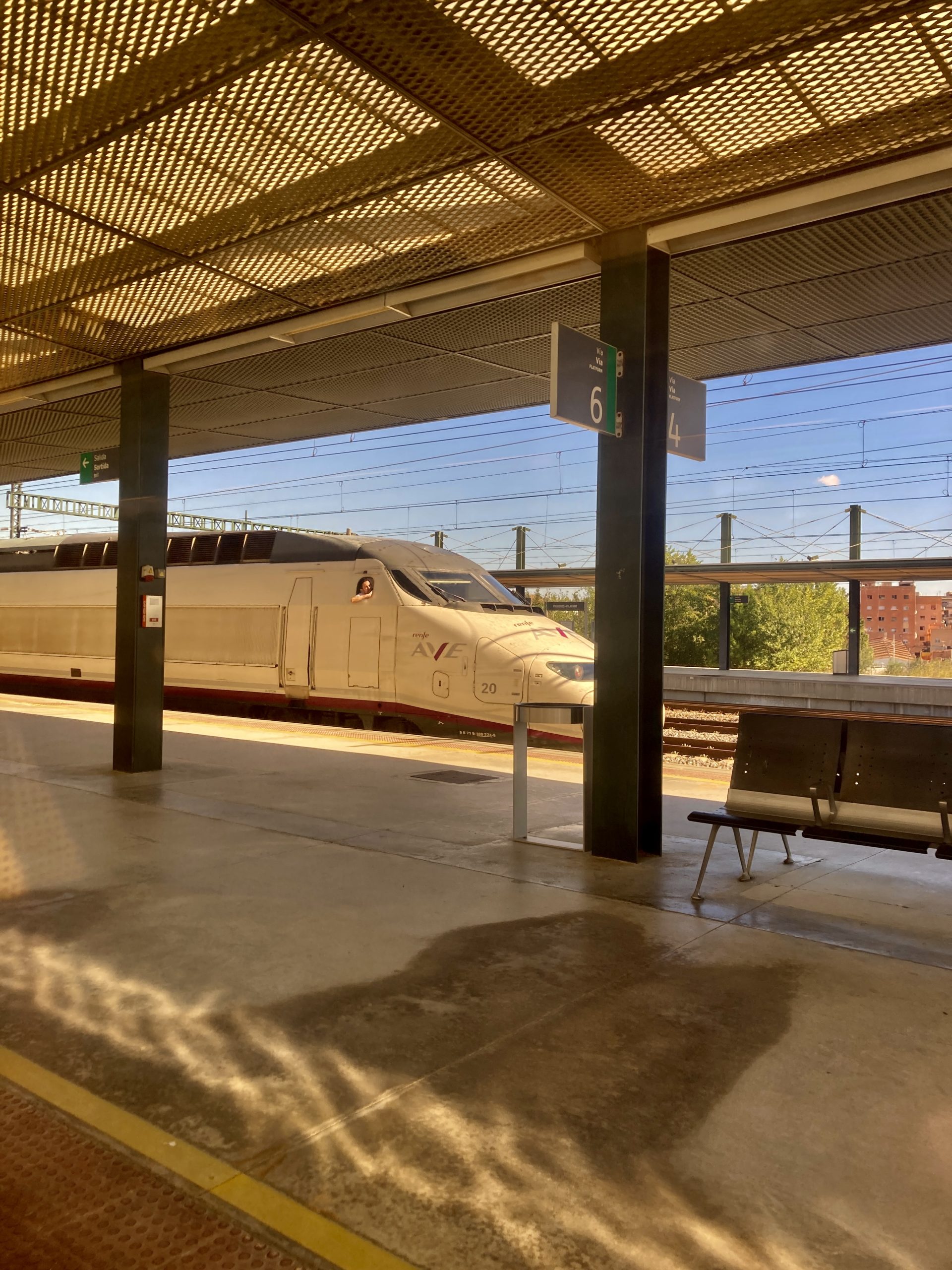
Fast forward 9 days and I’m at Figueres Station, Catalunya waiting to board the 11.35 Renfe Express to Barcelona Sants. On arrival at 12.32 I’m meeting an old acquaintance / fellow board trustee for lunch before heading to the airport.
The modern train, part of the largest high speed train network in Europe, is certainly impressive; comfortable seats, fabulous cafeteria (closed!), an easy to see rolling display sign; luggage space aplenty.
I sit as the driver is switching power off and on. Thinkiing nothing of that, I message Simon to say I’m on the train. 30 minutes later we are still in Figueres. No announcements, the display is still showing the destination and one stop only. Outside the guard is pacing up and down in conversation with the driver.
As he moves inside I ask why no announcements and what’s happening? His reply is priceless: “Sorry, I’m helping the driver to set the brakes.“
Eventually we depart 45 minutes late, still nothing by way of an announcement though.
As I look around I realise the majority of passengers seem to be unfazed by the lack of information. I discover this is usual and people don’t schedule meetings around prompt arrival.
All plain sailing until 5 minutes from arrival when the train stops unexpectedly and we go through the same off and on process with driver pacing up and down the outside of the train.
Simon, with whom I’m in regular WhatsApp chat, tellls me the arrivals board in Sants is now showing my train is 4 minutes away. 15 minutes later we pull into Barcelona Sants and still nothing on the train to let us know what happened, why, or any form of apology and I seem to be the only passenger remotely concerned about it.
Why am I telling you this?
To invest in the largest high speed train network in Europe with state of the art trains and equipment and then fail abysmally at the point of contact with the customer seems absurd. I will think twice before making a booking on Renfe based upon this experience I’m advised is the norm. It was the sanguine acceptance by my fellow passengers I found most disturbing, reinforcing a point I made at the Esteve Leadership Summit I presented at the previous day,
“What is deemed unacceptable in one juristiction might well be normal in another.”
And finally
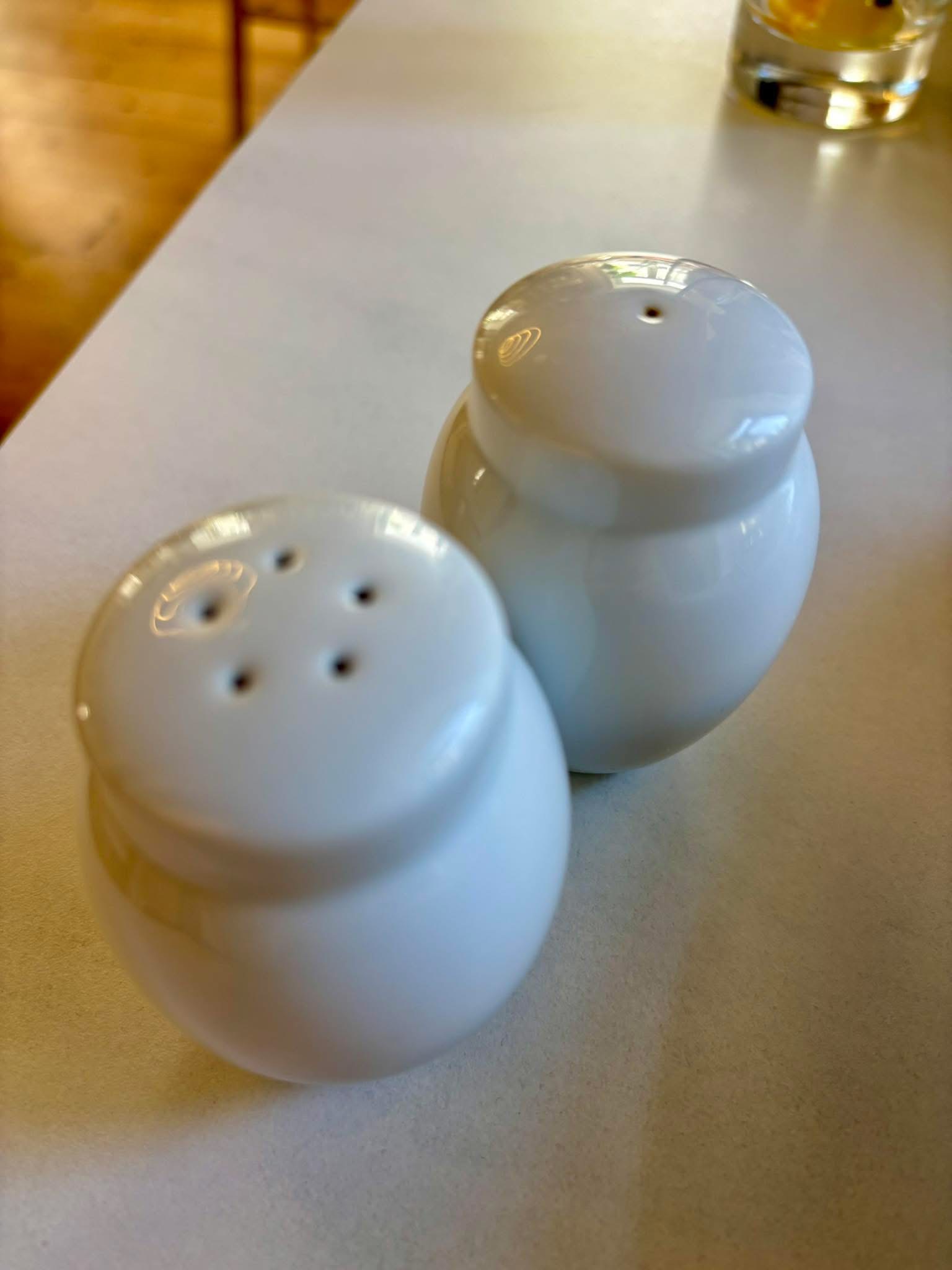
Which is the salt and which the pepper in this set?
My wife and I are having brunch at a trendy new hotel in Lisboa. I ask for pepper to sprinkle on my Eggs Benedict and choose the cellar on the left with 5 holes. Wrong! That’s the salt cellar and I pour more salt than I want on my eggs.
We challenge the server who tells us that’s how it’s done in Lisboa. My wife who hails from the capital city points out its not. We test our understanding via a Facebook poll and are astonished that many countries store salt in the 5 holed cellar.
This whimsical example underscores a real issue that can derail the implementation of strategy adoption, acquistion implementation, or product development across different countries and languages. My takeaway:
“Don’t assume that because something looks familiar it will be as you expect. Test your mutual understanding before moving ahead”
Paul, excellent observations as always. I have a couple of observations of my own. Easyjet is in a highly competitive market if you don’t like the service to Lisbon from Gatwick there are half-a-dozen alternatives.
Whereas, the Renfe Express has little competition outside of a car to Barcelona and I suspect is not measured on the same basis of “success” as Easyjet!
What I find even more strange is at what cultural point did restaurants switch the Pepper to become a Salt dispenser!
Is that more indicative of the Chef’s lack of skill in properly seasoning their food! Perhaps a criteria for dining there in the future …..
Maybe a 1* on Tripadvisor is called for at this point!!!
Best – James
James, thanks for your insightful comments.
Yes you are right re easyJet BUT it does show that investment without consideration of service delivery is a recipe for disaster. Renfe has a monopoly!
Regarding the salt and pepper cellars you and I are looking at this thru our lenses not those of the countries (Sweden is one I’m told) for whom its the other way round. Takes me back to one of my first trips to the development team in Denver when I turned up in a jacket and slacks and was told they have a dress down policy. I told them that was mine.