Cuba: a country of contradictions where trees grow in buildings

By marrying mid March my wife and I inadvertently chose a time when others focus on the impending Easter holidays and children are in school, timing which has proved advantageous in realizing our ambition to try and take our main holiday around our anniversary.  Neither of us are really sun lounger lovers, we have low boredom thresholds and eschew the type of small talk and hail fellow well met types often associated with a resort located in an isolated spot.

Jibacoa: an idyllic place to unwind

Jibacoa with an exceptional coral reef off the beach and free water sports yet only 75 minutes from Habana, Cuba seemed to offer the perfect wind down and fascinating capital city combination. IMG_0844
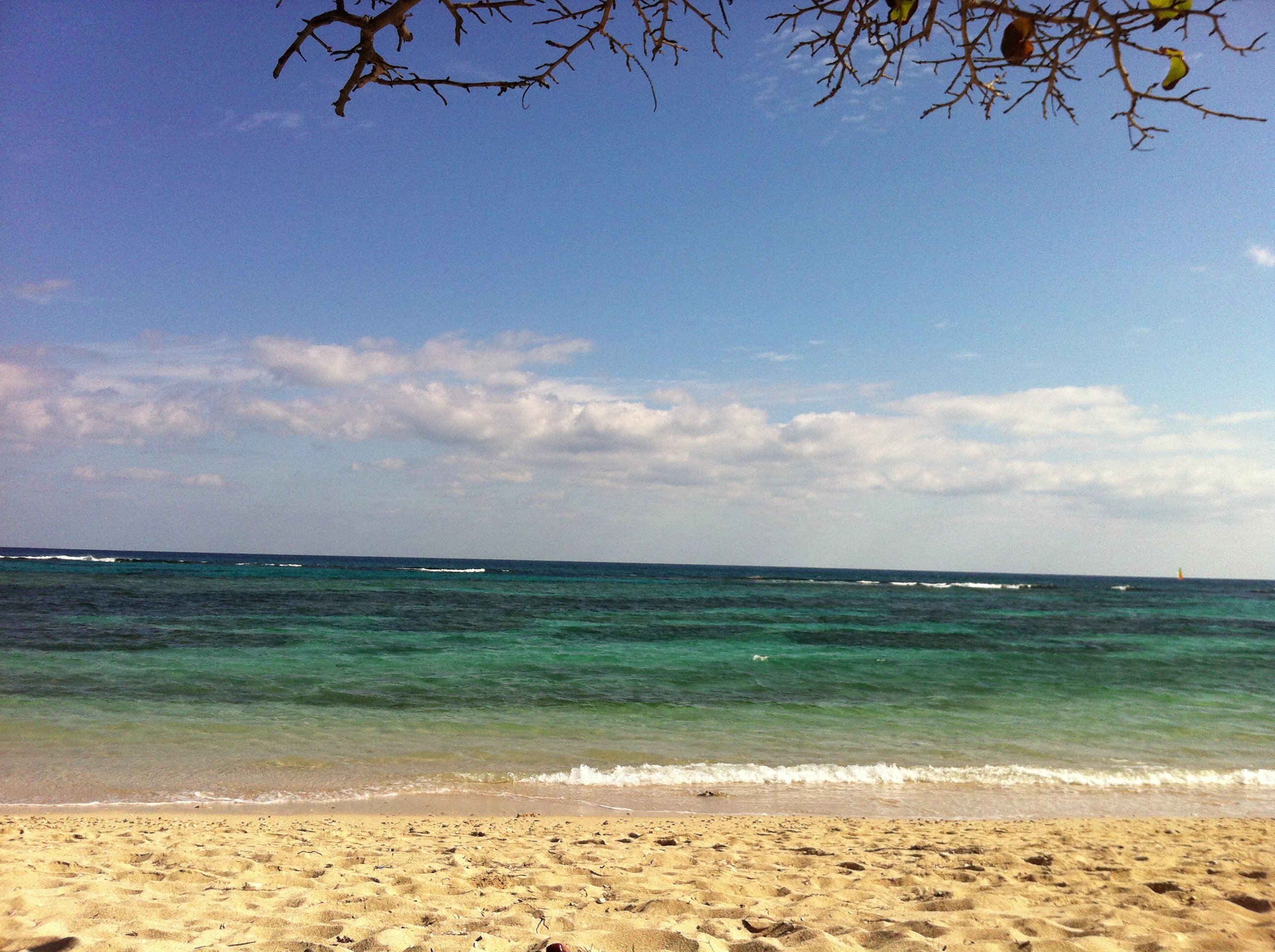
And so it was to prove though not in the way either of us had expected.  If you are interested to read more about the resort my review is on Trip Advsor: click here. Would I recommend this – yes without hesitation with caveats mentioned in the review.

The build up to the trip, booked 9 months previously, had been somewhat chaotic.  We’d relocated to Meads Village, Eastbourne in February and were taking time to come to terms with leaving Lewes where we’d spent a very happy 5 years. I’d just returned from to Khartoum running workshops to look at how the health industry might make better use of its and others’ knowledge. The day before we were to depart I had been in London kicking off an important piece of work for HMRC and Ana was but 2 months into a new job. In short we were in need of a bit of r & r.

Virgin, visas and when 5 names is too many

10 days prior to departure I discovered via Trip Advisor that we needed visas to enter Cuba and that as independent travelers were on the hook to obtain them ourselves. The advice from Virgin Atlantic (our carrier) was unhelpful: ‘we don’t arrange them but there are companies who do’.  Yes for £90!  Fortunately Virgin Holidays (through whom I’d booked accommodation – same name but a very different company), were much more helpful. £15 was added to our invoice and blank visas arrived a few days later. And for good measure after an email exchange the local representative had sorted transport to and from the resort.

We checked in online on seats 80D & 80H (Upper Deck on the 747-400 is a mix of Premium Economy and Economy and more like a small cabin).  Arriving at bag drop we encounter a small issue. Please bear with me this gets complicated and has a Cuban twist at the end.  My wife’s actual name (that appearing on our wedding certificate) is Ana Luisa Madeira Aguilar-Corney. Her Portuguese passport (for global travel) omits the name Corney whereas her citizen card (OK for EU travel) is more straightforward and does not.

I’d booked her in the name of Aguilar as I usually do but Virgin Atlantic’s bag drop representative decided that was wrong and Ana could not travel in that name. After my terse exchange and harrumphing had made the situation more intractable, Ana intervened and worked out a solution.  A new ticket would be issued (free) in the surname of Madeira Aguilar and off she went with the Virgin representative to arrange it.   A slightly delayed flight did not lessen our anticipation of 11 days of blue skies, warm sun, good food and a fascinating culture.

surviving on £18 a month

Cuba is one of the few remaining states that maintain a centralized structure. It’s ‘contract’ with its people: in return for free education, health, heat, power and financial support (less than £20 per month) to a minimum subsistence level, the state has the right to deploy its citizens as it thinks fit and to decide where state funds are allocated. Habana
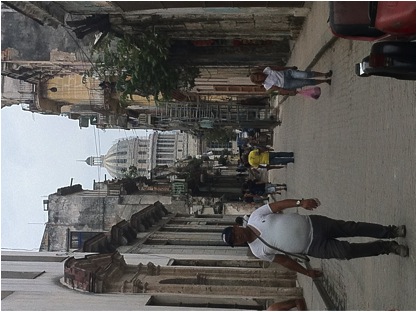
So Cuban doctors and teachers can be found in Venezuela, Pakistan and a host of African countries as a quid pro quo for the supply to the Cuban state of commodities such as oil and gas. And it has a thriving pharma industry, is strong agriculturally and thrives on its national obsessions, Baseball and Basketball.

It has placed a safety net under its citizens who are being allowed a degree of latitude, owning properties and businesses and making money where they can. And the Cuban is nothing if not imaginative when it comes to ways of making ‘CUCs’ (local acronym for convertible pesos which has parity with the US$ and is worth about 24 times the Peso, the currency used extensively by the indigenous population) from tourists.

Tipping is not permitted but is one of the few ways to augment the meager salaries (CUC25 per month) applied uniformly to every profession. In this bastion of socialism there is little financial benefit to be had from being a doctor, a teacher or a lawyer. Ania our guide had graduated as a lawyer was teaching at university but made most of her money from tips taking tourists from the resorts into Habana. Toilet attendants charge for toilet paper (there is a shortage of many basic commodities we take for granted).

a crumbling infrastructure struggling to cope with the digital age

I digress.  The impreIMG_1247ssion is of a country where the fabric and infrastructure is held together by sellotape and its not uncommon to see trees growing in buildings.
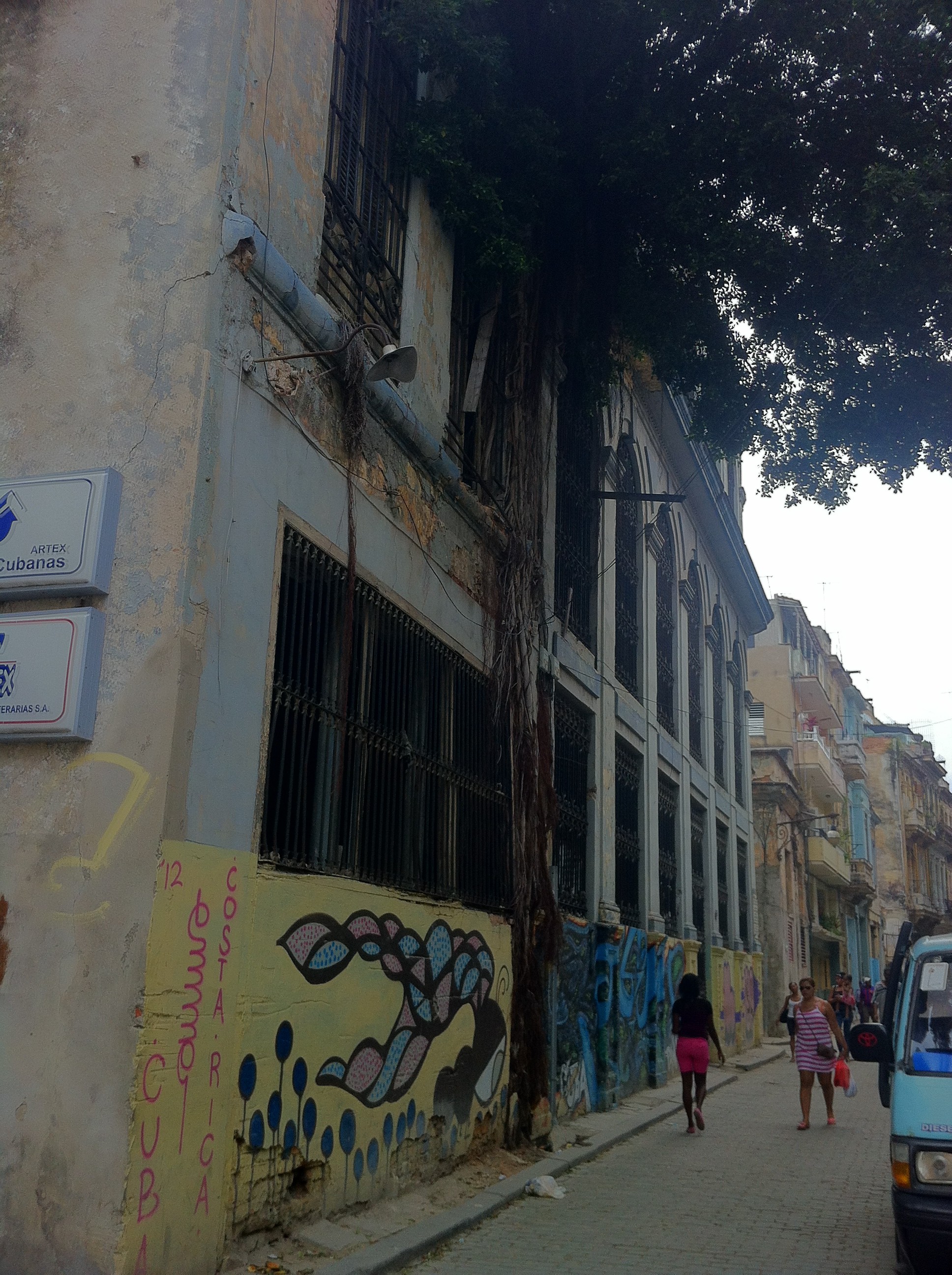
Like most centrally run economies every opportunity is taken to make its bureaucracy felt (to get on a state run train you have to arrive early for ‘check in’ and buying a ticket is a minefield requiring an intimate knowledge of the train formation – one window for carriages 1-4, another for 5-8 etc) yet it feels safe and there is little evidence of the military or the police other than at wayside checks for speeding motorists.

The transport system is in decline. While it is possible to travel by train from Habana (at the North end of the island) to the South the journey takes anything from 12 hours to a day!  Buses & coaches are the mainstIMG_1278ay and a combination of old and new.  The car pool will delight petrol heads. From mid 50’s US icons (Chevys /Cadillacs /Oldsmobile’s) to 70’s Soviet boxes (Ladas/Muscovites) to the odd newish Asian  (Mazda/KIA) interspersed with rickshaw style pedal and motorised ‘taxis’ of the type you’d find in Mumbai or Khartoum. Despite the appearance many of the classic cars have reconditioned diesel engines which spew out vast quantities of pollution. The taxi drivers are rightly proud of their ability to barter parts and manufacture workarounds to keep their vehicles on the road.
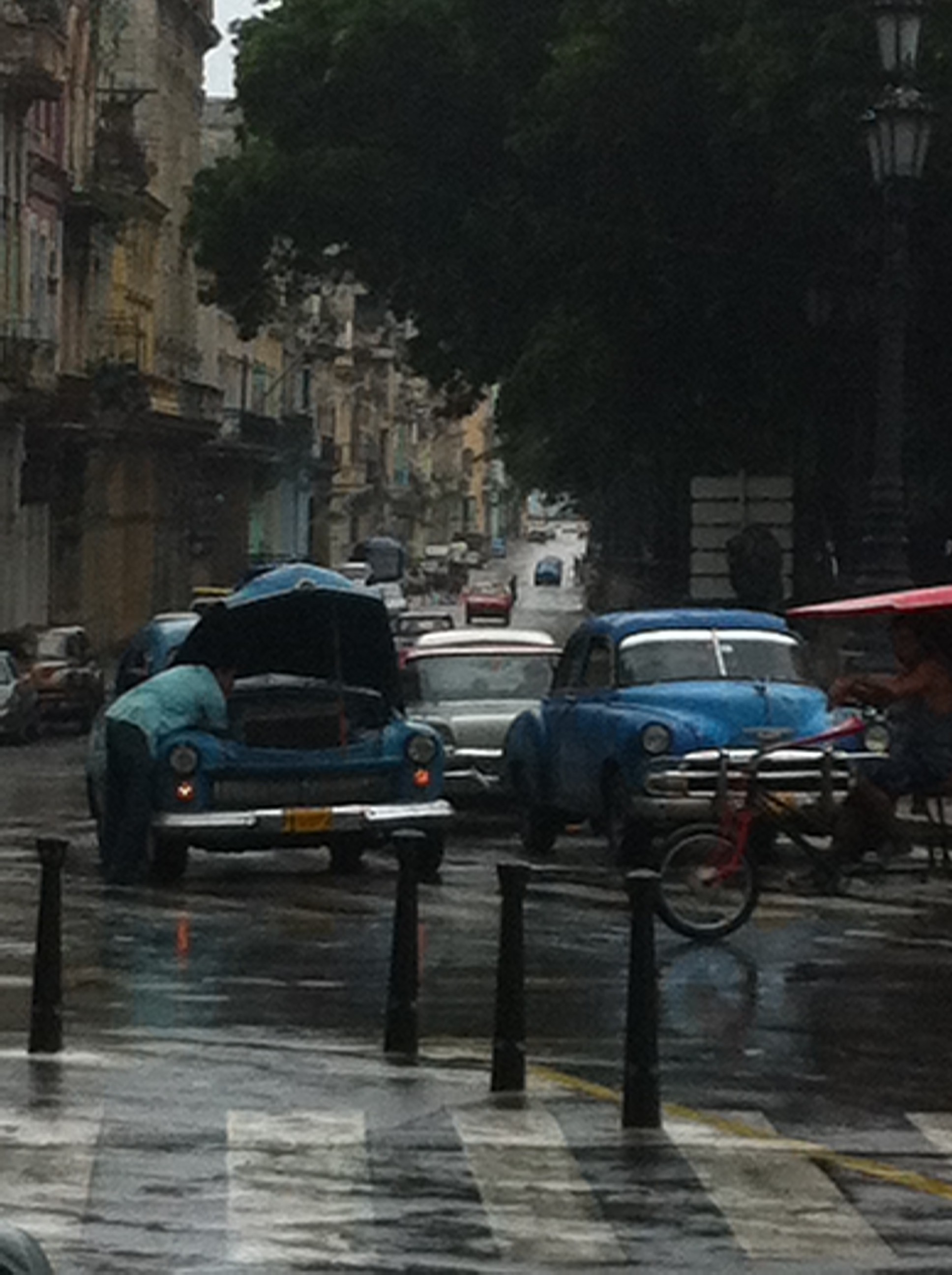
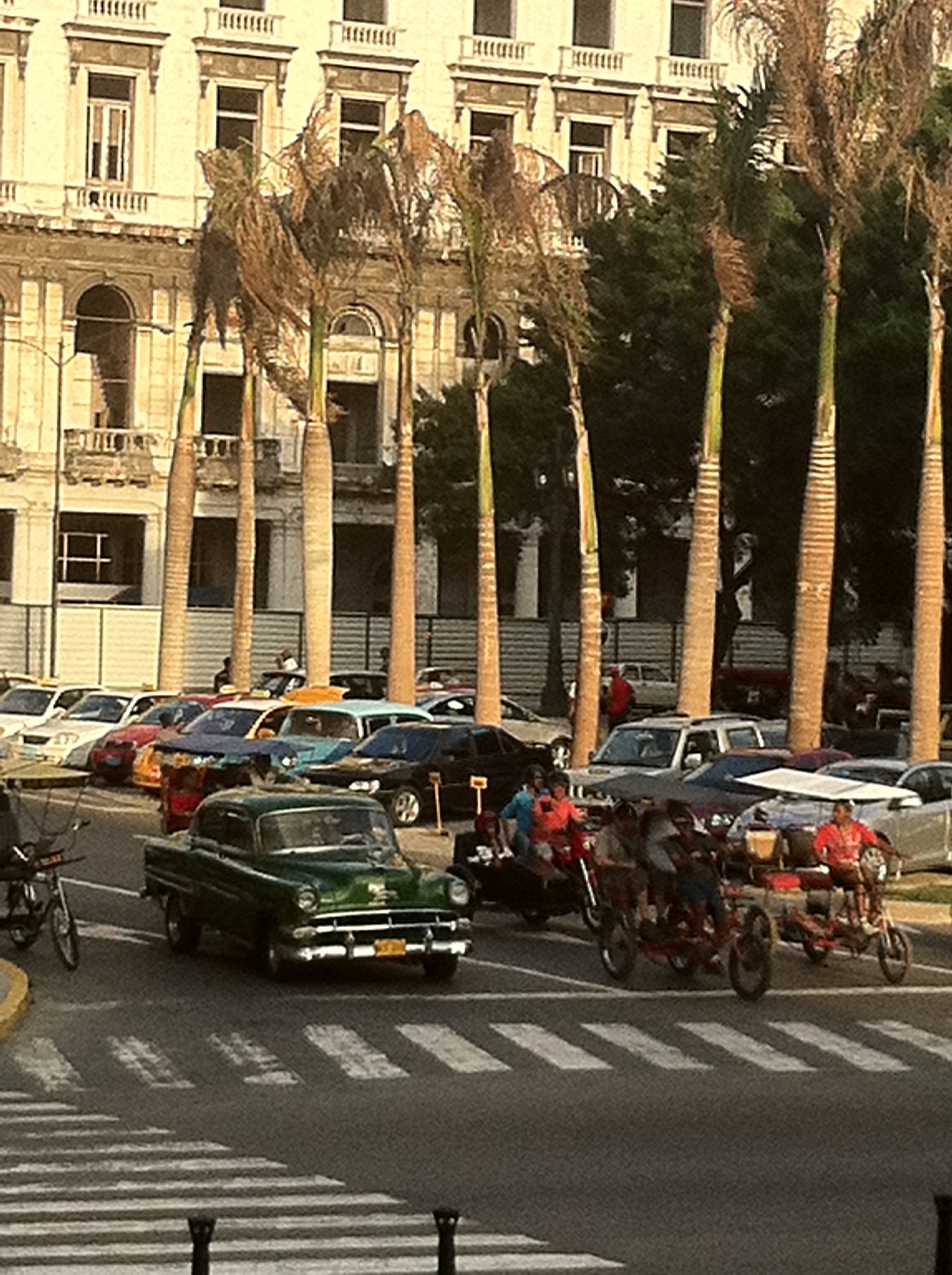
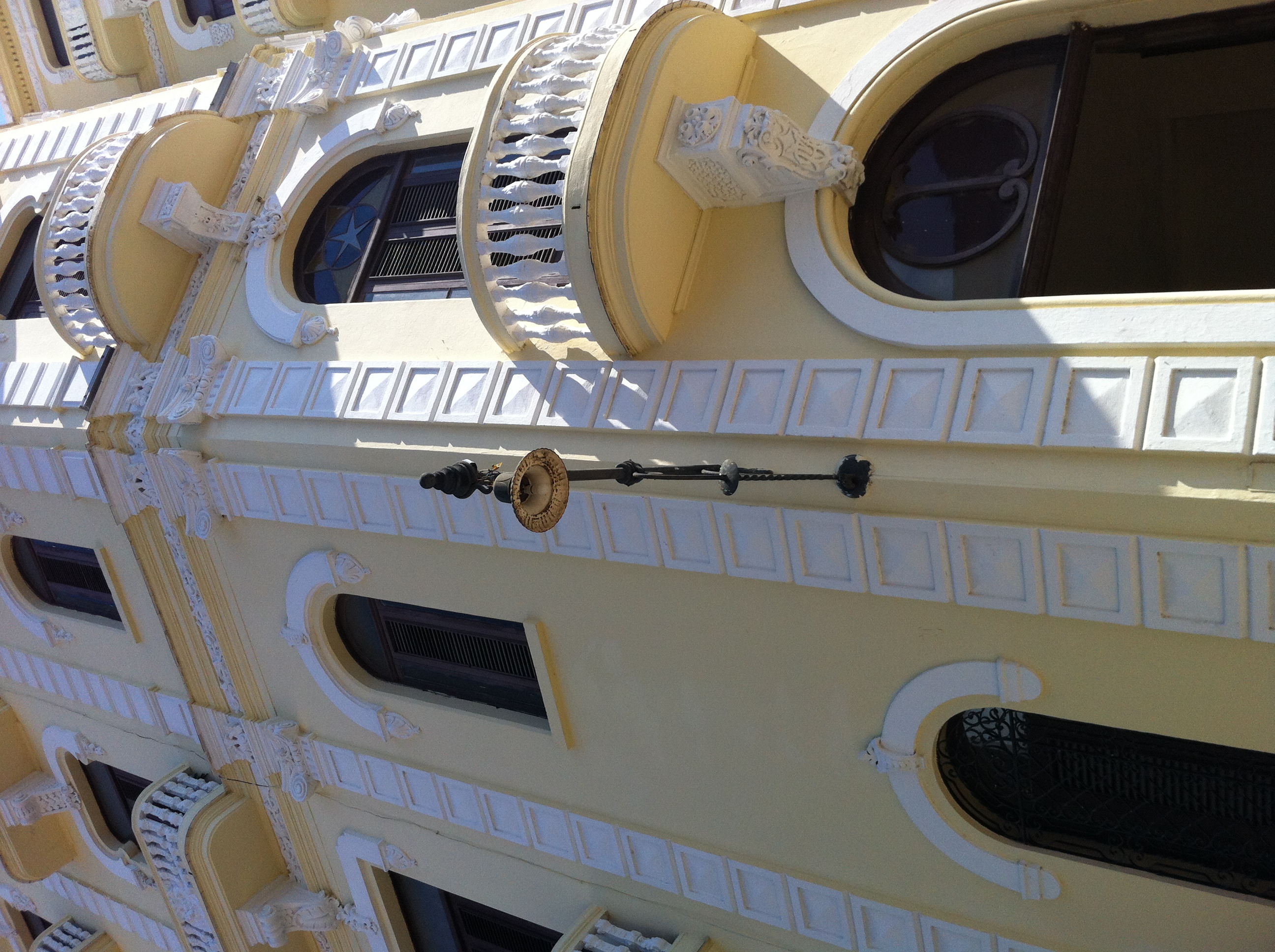
IMG_1152The architecture is priceless but crumbling (Central Habana is a gem or will be if it ever gets fully renovated).  Everywhere you go there is something to look at and its easy to see why UNESCO is funding the gradual restoration of the capital.IMG_0988


The Internet revolution is passing Cuba by due to lack of effective access. Whether this is deliberate I know not but productivity is low and frustrations immense – it felt like going back 10 years pre wireless – and one of the perverse pleasures was to pass the Internet room at the resort and listen to the expletives from users trying to perform simple tasks like flight check in only for their money to run out as the page loads.

Most have mobiles and many of its young citizens have Facebook accounts but are severely constrained by the lack of access to the Internet anywhere other than at the slow dial up outlets where there is always a queue and which charge a fortune £5 per hour.
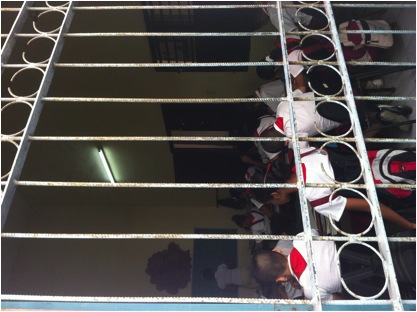
SchoolSchool children are well dressed (a feature of the Caribbean) and polite and everywhere people’s default reaction is a smile. The young aspire to leave and are influenced not by social media but what they see on TV. London 2012 made a huge impact and union jack attire was ubiquitous. UnionJack
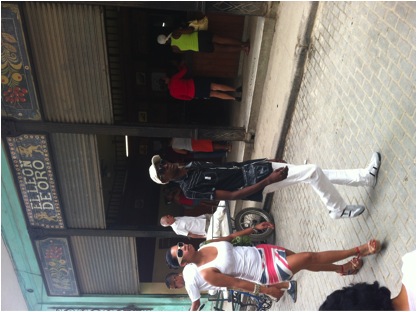


an eclectic population

Cuba’s citizens are a mixture of all those who have settled there.  African, Indian, South American, Russian and now Chinese. Clothing ranges from ragged to chic; hairstyles are eclectic and of all colours. It is a country that is on the surface devoid of racism and homophobia.
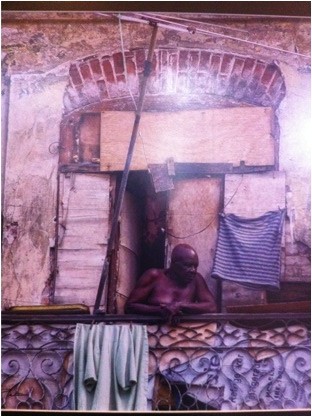
People1

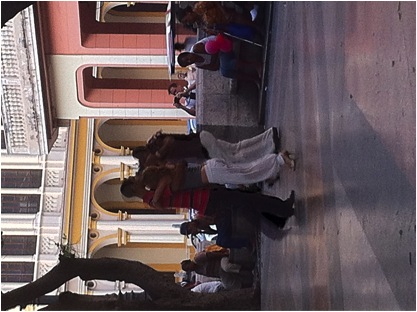
Take a wander around the city and you will see all manner of sights sounds and smells. Tennis
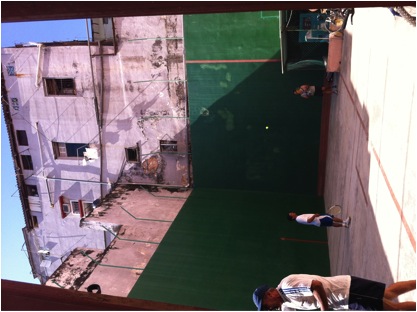
Tango


IMG_1216


Yet there is an aspect of Cuban society we found reminiscent of South Africa during apartheid.  Cubans are banned from hotels unless they are staying in them.  Our guide, Ania (a lawyer as I said earlier) was prohibited from joining us for dinner or from coming to our suite despite the fact we were paying guests.  It must breed a sense of resentment.

‘authentic Cuban cuisine in a great setting’

Finally the food.  People say don’t go there for the food. Well on our final night we ate at a restaurant Asturias Bar which was great – here’s my review on Trip Advisor
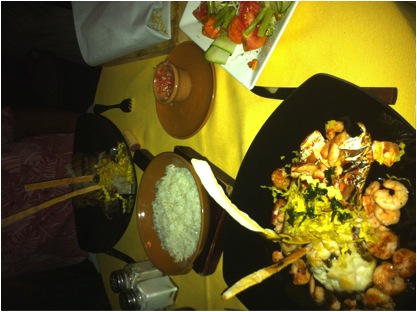
Food


when Cuba, Portugal and Spain come together

The sting in the tail?  We discovered when Ana gave Ania a card that Aguilar is in fact one of the most popular surnames in Cuba dating back to the time when the Spanish controlled the island. There are also Aguilars in Chile (indeed Felipe is a famous golfer on the tour) and some in Colombia. Ana has never quite understood the Spanish link since to the best of her knowledge her father whose name she bears rarely went there and his ancestors were born and bred in central Portugal.

Finally as if to confirm the Cuban/Portuguese link Ania’s boyfriend who is Cuban has taken Portuguese citizenship and now lives in Lisboa and sells Cuban cigars!

‘…a complaint is a gift’: engaging with customers & stakeholders

The British are uncomfortable with directness. It’s probably why one of my Saudi friends said he preferred dealing with the Americans and the French because he knew where he stood with them as they said what they meant. We tend to say ‘it was fine’ when asked if we enjoyed an experience or a meal when what we actually mean was ‘I wouldn’t serve it to my cat’. We avoid confrontation, write a bad review on Trip Advisor and congratulate ourselves on doing that and vowing never to return.

It’s also about confidence and I am reminded of the Michael McIntyre skit about the ritual of tasting the wine before accepting it to drink.  Few people have the knowledge or confidence to send it back. Here’s the clip.

Some good friends became so as a result of constructive criticism my wife and I once gave.  We’ve never just said that’s not very good, we’ve always tried to say how we might improve it.  Of course there’s a risk you get thrown out of a place and told you don’t know what you are talking about but by drawing out the positives (an Appreciative Enquiry technique I try to apply when giving feedback) your opinion is usually valued.

And yet if you run a customer focused service business such as a restaurant or hotel you need constructive feedback if you are to improve and Claus Moller got it right when he wrote the excellent book ‘a complaint is a gift’.

trouble in paradise

Having decided on 10 days r & r the last thing on my mind was a bout of constructive criticism.  However the majority of the people we met were so willing and genuine my wife and I felt obligated to spend time with the resort’s management when issues started to arise.

What follows is an edited extract from the letter they asked me for (I’ve removed any reference to names – it would be unfair) after the second meeting we had with the most senior member of the team on duty.

I am as promised documenting the ‘issues’ we’ve had during our stay as a way of hopefully helping you and the rest of your team to build on the solid foundations you have.  So I am going to describe each incident and then give you a few suggestions on behalf of us both as to how we think you might improve:

  • Friday 15th: The morning after check in we changed £300 at the front desk.  We had read on Trip Advisor that guests had been short changed in the past so we adopted a strategy of my wife ordering and me watching.  The amount due was 434 but we were given 430.  And we were asked to sign the receipt BUT were not given a copy until we asked for it.  Needless to say we challenged the person who apologised and gave us the remainder. We brought this issue to the attention of the representative that morning.
  • Sunday 17th: We ate in the upstairs ‘A la carte’ restaurant. We managed to get a booking for 9pm (we were told it was the only slot available). When we arrived it was sparsely populated.  The food was inferior to that served in the buffet and the wine (Spanish house white) was full of sediment.  When I drew it to the attention of the headwaiter his response was a shrug of the shoulders!
  • Tuesday 19th: A few days previous we’d purchased a bottle of Carmenere from the shop nearest to the nightclub. Along with crisps and biscuits it came to 12.50. On Tuesday afternoon I bought another bottle, with crisps, and was charged 13.60.  Again no receipt was offered. We returned to the shop and asked for an explanation: a mistake we were told. We asked to speak to the hotel manager (who was unavailable). Instead we had the pleasure of talking to you and are glad we did.
  • Wednesday 20th: The day of our wedding anniversary was spent in Havana with one of the local taxis. We had a superb day and ate delicious local food with them in the taxi at a spot where the taxi drivers buy food opposite the railway station. We’d booked into the downstairs ‘A la carte’ at 8.30pm and were looking forward to celebrating our anniversary in style. We arrived to find half a dozen guests only and ordered mixed tapas with two lobsters.  The Tapas was tasteless – I tried each and left most of it – and the lobster came coated in cheese accompanied by tinned carrots and peas.  We left without eating more than a mouthful each and went to the main area for dessert hugely disappointed that a special evening had been ruined.
  • Thursday 21st: Since the heavy rain on Tuesday our room had developed a nasty smell in the bathroom. That morning it was worse and we notified reception who promised to send someone down to sort it.  We returned that afternoon at 6pm to find the bath covered in excrement.  To the credit of the duty manager we were immediately relocated though obviously we had to repack and unpack and missed the reception you’d invited us to.

In your defence I should note the following:

The service in the pool bar, the piano bar and the buffet has been good: in the case of Vivian and Adimirys we have nothing but praise for their willingness to go the extra mile to provide exemplary service.

The facilities are good and the rooms perfectly acceptable especially those like 1182, which have been redecorated.

The manner in which you have dealt with our issues has been to your credit.

suggestions for improvement

Ana and I have experience in the hospitality and service industries. We are happy to give you some suggestions in the hope it might help turn what is a good product into a great one:

  1. Make both of the ‘a la carte’ restaurants places people want to go not places you give tickets away for.  How many people actually pay to go again having eaten there once? Stop serving canned vegetables such as carrots and peas and serve fresh food of a standard that is appreciably higher that the buffet.  And please employ staff that are as good if not better than the buffet area.
  2. In the buffet serve good Caribbean food as a permanent option using fresh ingredients: we believe you have a local head chef so serve curried goat and other food from around the region rather than doing themed nights that feature frozen food.  As an example Oriental Night had tasteless Sushi, frozen spring rolls and pasta not noodles.
  3. Staff training:
    1. Yours appears to be a culture where people who are in the front line in the restaurants don’t know how to deal with reasonable comments. For example, early in our stay we watched a Canadian turn up to eat in the same beach ware for breakfast and dinner.  When another guest and his party pointed this out to the duty manager in the buffet he had no idea how to deal with this.  Instead of politely pointing out to the offender that there was a dress code for the restaurant and that perhaps it might be better to sit on the terrace, the comment was ignored and the individual continues to turn up shabbily dressed.  The impact is hugely damaging since the party of 8 whose last night it was left with a very negative impression.
    2. My point: as you have dealt with our issues so should your staff.  Other businesses I have worked with have a weekly meeting where the stories of good and bad experiences are discussed and the favourite story chosen as an indicator of practices to be applauded/improved.  If you want more on this see the way Ritz Carlton uses stories to improve performance or go to www.sparknow.net (the business I used to run) to see how big corporations are changing behaviours and culture using the power of stories.

so what happened as a result?

The management circulated our letter to all heads of department and called a management meeting for the following day to discuss the ideas and suggestions.  Subsequently we received a thank you and the offer of a complimentary stay should we choose to return which one day I am sure we will.

The business takes reviews people write very seriously and to its credit uses them as a discussion topic in management meetings.  I know of other restaurateurs who shake when their smart phone alerts them to a new review as they’ve borne the brunt of unfair criticism in the past.

In today’s world service businesses cannot ignore criticism especially with social media tools available to the dissatisfied customer. They have to be willing to embrace it, be upfront and turn criticism into compliments and turn customers into brand advocates willing to give a more positive slant.

In our case I wouldn’t hesitate to recommend the venue or the way they dealt with our issues (and in fact have in my own Trip Advisor review).

IMG_0904

‘…maybe it’s because I’m a Londoner…’: stories from people who made London their adopted home

I’m proud to call England my home and London my birth city. It is one of (if not the) most cosmopolitan cities in the world that has welcomed and benefited from the arrival of so many different nationalities and cultures.

In 2010/11 Sara Shamsavari held an exhibition at City Hall. Entitled Britain Retold- a portrait of London it told in their own words the stories of a number of Londoners all of whom had Londoner blog 619620made London their adopted home.

This is what was written about the exhibition:

a collection of sharply empathetic portraits that explore and reinterpret the concept of British identity within London. With an aim to create a singular voice, Sara has photographed a range of culturally diverse individuals and incorporated the symbolism of the Union Jack flag into each image. She seeks to open a platform that will allow the multicultural communities of London to begin re-defining what it means to be British.

I was among the guests at the opening and remember being moved by the stories and the images Sara captured. Her motivation: to reflect the Britain she knew not that portrayed by the far right.

A couple of years on and with the impact of austerity measures across Europe starting to bite I’ve been reflecting on the tenacity of those who by force of circumstance find themselves having to work offshore to survive.

In the past month I’ve met or spoken to, Sudanese, Tanzanians, Vietnamese, Malaysians, Chinese, Saudis, Bajans, Turks and Eritreans in addition to many Europeans including Hungarians and Bulgarians.

Some were students doing MBA’s and MSc’s. Others were working in London. A fair few were in Africa. All are bound by the same desire: to find meaningful and paid employment and in some cases a home. I want to share three stories with you and in two cases I’ve changed the names to protect their identities:

Monika’s story

Monika is Hungarian, from a small village 200km south of Budapest, who is part of the team at one of London’s swankiest and new hotels.  Be-suited, blond and vivacious with a friendly smile and an easy manner she came to England a couple of years ago to find a job as there are few in accountancy back in her native country.

Monika feels a debt of honour to her parents who sold a home to fund her education. She loves London despite living in Seven Sisters some way from the centre and commented on how easy it is to get along with people here.

Ideally, she’d like to go back but in the meantime despite being overqualified for the job she is doing, like many she is grateful for the opportunity of working in London.

Samatha’s story

Sam hails from Barbados via Leeds Metropolitan University. Slight of build and pale of colour she did none the less stand out in Leeds where she spent her formative years having travelled to the UK to join her father. Having graduated she was warned don’t go to London, they are unfriendly.  Her experience is in marked contrast to the advice:

People are great here, I work with 30 nationalities and its like a big family. London is such a nice city.

Like Monika she is grateful for a job for which she is over qualified.  Also like Monika she is driven and wants to pay her way despite the cost of renting eating into much of her salary. And she can find curried goat (essential part of any Caribbean diet) without searching too far for it.

Sayid’s story

Sitting in the back of a 4×4 in Khartoum I am in conversation with Sayid (not his real name) who is one of 200,000 Eritrean refugees in Sudan. As a driver for a prominent research group Sayid has a good job (by the standards of many). His horizons though are limited: his girlfriend (who he’s not seen for 5 years) lives is Asmara; he can’t go back and she can’t leave.

Hard working he hankers after a life in Europe but recognises the challenge of trying to save the $3,000 it will cost to get him to the Sudanese/Libyan border, then on to the Libyan coast and then across the sea to Italy the obvious gateway for Eritreans seeking asylum.  Despite existing on a wage of less than $100 a month he lives in hope of one day making the hazardous and life threatening journey and of being reunited with his girlfriend in the EU.

Last Thursday evening at Brighton University I met a number of students who’ve come here to learn. Some had taken sabbatical’s from good positions. Others had exhausted savings and were eagerly seeking part time work to augment their meagre living standards.  A common theme again among those from Asia: the willingness of their families to support educational advancement even if it means working every waking moment to raise the cash to fund it.

Over dinner on Saturday night in Covent Garden with some of the speakers at the Meet The Blogger event my wife was a speaker at I was interested in the views of a lovely Frenchwoman who has been a resident here for 17 years.  She noted a change in perception among her erstwhile countrymen. No longer is London seen as a desert among the culinary oasis that is Europe; it is now the place to go for varied and good cuisine.

So what are my ‘takeaways’ from this ramble:

  • Londoner’s are lucky to live in a cosmopolitan city enriched by diverse cultures;
  • Briton’s are lucky to hold a passport that allows almost total unrestricted travel and (Heathrow’s immigration queues apart) to return without question;
  • education is seen by the citizens of many nations as their passport to a good career;
  • while London is seen as a desirable place to live and work demand for accommodation will continue to outstrip supply; and finally
  • those with less seem more inclined to share surplus food than those with plenty.

Importance of KM in Health: the story of Doctor Anwar and making use of what he and others know in Sudan

Meet Anwar, a Sudanese doctor. Just one of 5 fictional characters created by delegates at the Knowledge Management for Health in Sudan event I spoke at, helped plan and run.

Sudanese Doctor

Anwar

This exercise, Scenarios for the future, was set in 2020 and invited the 80 or so delegates drawn from across the whole of the health industry in Sudan to consider what a day in the life of each character might look like.  This was a new and warmly embraced concept in an environment where my information is my soul and much of the debate about the future takes place against a backdrop of uncertainty and increasing austerity where:

  • 2/3rds of all drugs are purchased ‘out of pocket’ not from health system
  • drugs are proportionately more expensive than in other domains
  • funds from external sources are available to assist with health informatics.

Having settled on a description of each character the delegates who were by this time in groups of 8-10 then set about imagining what their day might look like on January 1st 2020. A vivid imagination is required and was evident in the quality of the stories that were told by each group’s nominated storyteller.

The story of the Health Worker

Ismail’s story – Health Worker

I will in due course and with the organising committee’s permission publish the two ‘winning’ stories; yes we did do voting while the storytellers left the room.

One of Sudan’s leading pharmacists noted in a one:one conversation how important listening was and how difficult a technique this is for many to use when prescribing drugs.

By inviting each of the storytellers to play back the story to each of the other groups it was good to hear them say in the summing up that by the end they really felt they were the character.


The previous day I’d invited the delegates to change the way they looked and think about issues and barriers.  Using when you change the way you look at things, the things you look at change exercise conducted in the best breakout rooms I’ve ever worked with, the delegates who are naturally loquacious soon grasped the concept of seeing the room through the lens of different professions.

Breakout room

Breakout room

This change of mindset was important: it allowed the subsequent round table (well round conference room) session that discussed:

‘What are the biggest issues we face in sharing knowledge and information about the health of our nation and how can we overcome them’

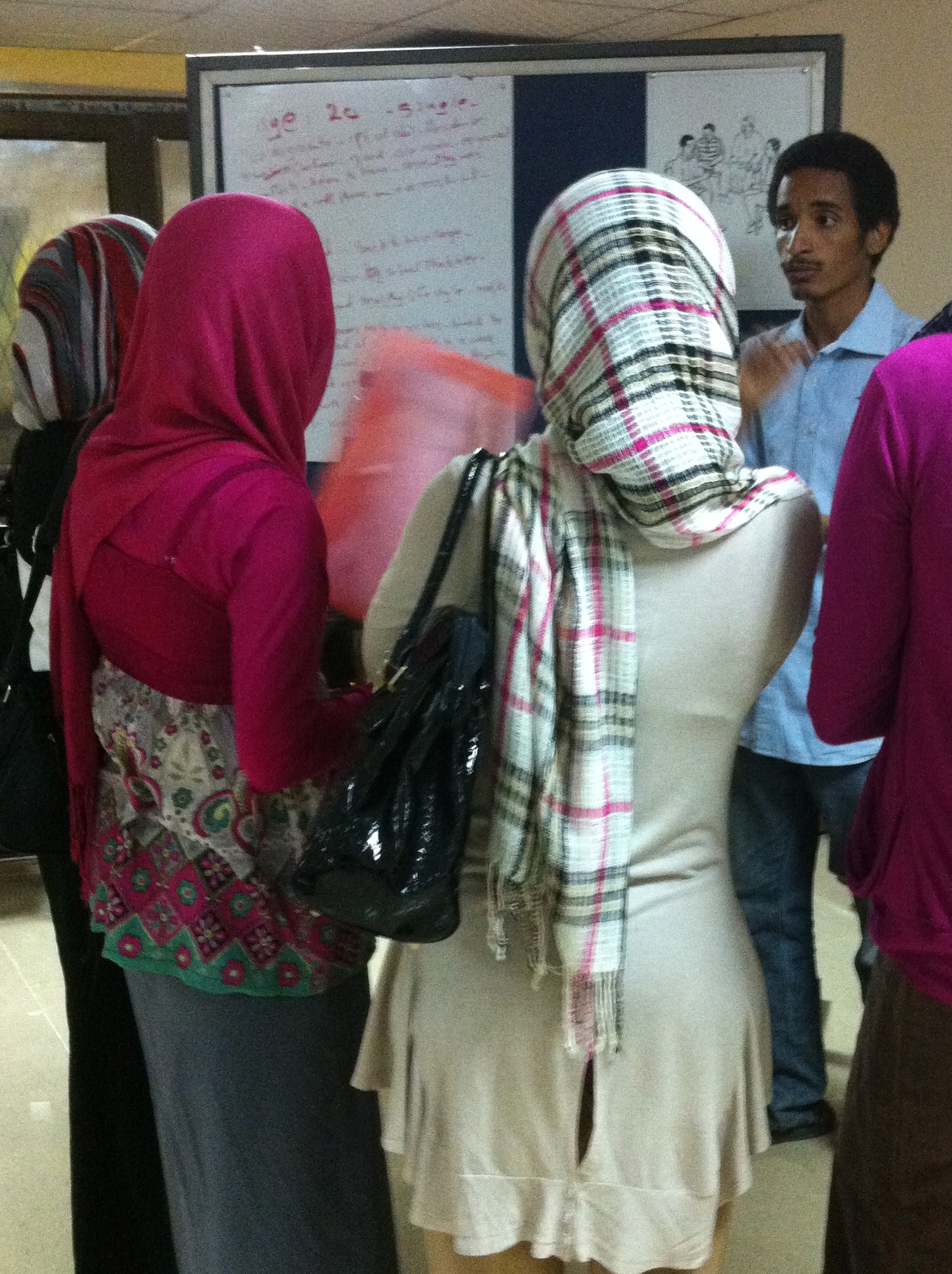
I’d invited each delegate to introduce themselves to three people they didn’t know. This worked well and encouraged a very frank discussion. The main issues highlighted were:

  • no systematic collection of information and limited understanding of its value
  • transparency of process (where do the figures go) and credibility of the data
  • lack of human resources to do the collection
  • limited statistical information to undertake scientific research on
  • ownership of data and the whole process – fragmentation
  • accountability to deliver
  • communication/awareness of what each organisation is doing – lots of ‘stuff’ is happening but there is a real risk of duplication of effort e.g. many of the disease control programmes are creating their own informatized information systems

Delegates recognised the tremendous strides being made by the Public Health Institute (one of the event’s sponsors and host of the official dinner) in developing professional public health administration programmes, the creation of a Data Dictionary and the publication of the first Annual Health Performance Review though many bemoaned the lack of official  support for research projects where Sudan has a prominent global position, Mycetoma Research Centre an example.

I came away from reflecting on a discussion I had around the event:

Its all about ‘informization’ – the ability to report from a health centre level with ‘point of sale’ data collected via PDA’s / mobiles as well as computers; about logistics management as a result to ensure supplies get to where they can do the most use.

This can be monitored by the minister, routine reports can be prepared showing which centre reported, which district has complete reporting, which state has complete and timely reporting and % of stock outs of basic drugs or vaccines etc.

And inspired by many of the presentations I’d seen on the morning of the second day from University of Khartoum’s research centre and of course the Public Health Institute who are reaching out to try and create greater awareness through public forum, newsletter and other events.

Perhaps the presentation that struck the biggest chord was from EpiLab
who have achieved impressive results in helping to reduce the incidence of TB and Asthma and whose research and community communication techniques are highly innovative. I loved the cartoons they developed on how to self treat and prevent the incidence of illnesses which were drawn up BY the local communities.  Their pictures and their words are published as guides for the nation and I know they will make them available so I can share them in future blogs.

It was an honour, a challenge but nevertheless great fun enhanced by the warmth of the welcome and a genuine sense of appreciation. Sudan’s people are among the most engaging and intelligent I’ve met. One anecdote from a conversation with a young professional in the communications business illustrates their dilemma:

‘…of the 95 people who graduated in my year a few years back 90 are now working overseas, the majority in highly paid good positions…’

In my address I acknowledged the support I’d had from many people in preparing for the event. They were: Ahmed Mohammed, Dr Alim Khan, Dr Anshu Banerjee, Ana Neves, Andrew Curry, Archana Shah, Chris Collison, David Gurteen, Dr Gada Kadoda, Dr Ehsanullah Tarin, Dr Madelyn Blair, Sofia Layton, Steven Uggowitzer, Victoria Ward

the danger of endorsements and managing an online presence

I was with the CEO of a respected and successful consultancy, recruitment and interim management group yesterday. One of the topics that came up was how to describe what you do in a succinct way – what most marketing consultants call the elevator pitch.

Surprisingly, since his firm has been around for two decades and done pretty well, he said how difficult he found it given that they have a wide range of services that straddle a couple of vertical sectors. His solution:

‘I don’t attempt to anymore as most people’s first reaction having met you is to go and check you and your company out on Google and LinkedIn’.

It made me reflect on how much we are now influenced by what we read online and what others say about us. I shared with him a recent experience I had with a business who’d been on the receiving end of an unpleasant review on Trip Advisor.  Rather than responding she’d maintained a terrified silence and had got to the point where she dreaded the sound her phone made when she’d got a new review. We talked through the need to be more proactive to field the punches and be willing and able to mobilise your ‘Brand Advocates’ who will rise to your defence (if you’ve created a positive enough image and been open when you screw up).

With that in mind I agreed to do an interview this week with a newly launched website findtheedge that is targeted at business leaders and aims to draw on the personal experiences of a panel of experts in their respective fields. The outputs can be found here: How to Create Innovative Knowledge Management Solutions Using Stories.

What I liked was the way they catalogued the interview making it easier for the reader to get to grips with the subject and the highlights. Most people are up tight when they give interviews; we are our own harshest critics and from painful experiences I can recall instances when the mouth has overtaken the brain.  This time I was pleased to see the editors highlighted the following as it encapsulates knowledge management for me:

“In a nutshell, it’s the ability to pull together the critical knowledge assets that you as a business have, and how you make sure that they are shared in the best possible way”

And finally back to yesterday’s meeting and testimonials. While we saw the value of the written testimonial as it shows on LinkedIn we were highly sceptical of the veracity of the click skill endorsement approach. His example:

though I run a business that has an information management consultancy how can I be considered an expert especially since the people endorsing me have never seen me in action.

I’d be surprised if it stays on the LinkedIn profile for too much longer.