About Paul Corney

@pauljcorney #KM4GOOD I help people and organisations to make better decisions that improve the way they work

Food Banks: from Chicago to Coventry

On Tuesday night the BBC ran a programme about a food bank in Coventry. Last night I attended a thought provoking lecture at Chatham House on the future prospects for the US economy. I intend to show you why I think the two are connected.

Dr DeAnne Julius the speaker at Chatham House is an influential economist on both sides of ‘The Pond’ and was a founding member of the UK’s Monetary Policy Committee.  Her assessment of what the incoming President will face over the next four years is chilling:

  • Continued low growth of 2% p.a. and high unemployment of above 8%;
  • Increased inequality between haves and have nots resulting in children being tied to the social class of their parents, signalling in effect the death of the American dream – no longer will the next generation be better off than the last;
  • Deadlocked legislature placing a constraint on the President resulting in increased State level involvement who will implement experimental local policies and taxes; and
  • Continued growth of voluntary sector (church groups and baby boomers with time on their hands) as middle and low income jobs are replaced by technology and, with increased globalisation, outsourced to lower cost markets.

The demographic similarities with the UK are striking: fewer young people going to University; a growth in the number of single parent families; a rise in short term and part time contracts; graduates doing unpaid internships (where they can get them) as a precursor to employment; and a declining population supporting an aging population with unsustainable pensions and benefits.  One in six Americans are on food stamps and US debt is at historically high levels being 7% of GDP (remember those aspirational times in Europe when country debt was not supposed to exceed 3% of GDP).

You get the picture: the recovery in the US will be long and painful for an increasing number; more and more people will end up relying on food handouts and support; and it is less likely that any recovery in the UK will be fuelled by one from the US.

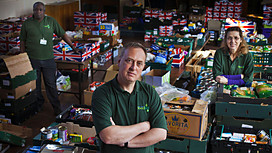
Britain’s Hidden Hungry broadcast on Tuesday night investigated the growing importance of charity foodbanks to thousands of hungry people across the UK by following the stories of three users of a foodbank in Coventry. Here’s a taster:

Care-leaver Charlotte eats just one meal a day. It’s all she can afford, so she starves herself till evening. Sandra, middle class mother of five, is embarrassed that all she can give her son for his school packed lunch is bread and butter. Middle manager Kelly, mother of two, hasn’t eaten for two days. Meet Britain’s hidden hungry – and they’re not what you’d expect.

As of 2012, more than 170,000 people are believed to be dependent on a chain of 300 foodbanks run by a Christian charity, the Trussell Trust.


Coventry food bank volunteeers (courtesy of BBC)


A month ago I ran a Knowledge Cafe in Lewes that looked at the potential to make better use of surplus food using a model developed by Plan Zheroes in London. Among those attending were volunteers from church groups, councils and local interest groups. There was broad agreement that with next April’s changes to housing and benefit entitlement there would be an increase in the number of people torn between food and heating or children’s clothing. As the write up said quoting local councillor Ruth O’Keeffe, ‘this is a theme which has reached its moment… there is definitely a need for this’. 

Just down the road Newhaven shoppers have been doing their bit to help (mirroring one approach shown on the BBC programme). ‘Generous shoppers in Newhaven help to donate 6,000 meals to needy’ was the headline in the local Sussex Express applauding the joint efforts of Sainsbury’s and FareShare in giving food for onward distribution to those who need it.

Next week I will be attending my first PlanZheroes meeting in London.  My aim is to see how (having established there is an issue to be addressed in Sussex and beyond) the PZ Map can augment the excellent efforts already in place and mobilise additional surplus food.  Watch this space and please if you are interested in helping get in touch.


“four legs bad two legs better”: when people leave they take their knowledge with them…

One of the big topics that comes up time and again in conversations with businesses is how to handle the loss of knowledge when people leave or get relocated. I took these notes during an interview a couple of months back with a former CEO about how he felt having exited the business after 8 years at the helm:

Too often an outgoing official feels let down by the process: using an analogy from Animal Farm, he described the environment in the aftermath of his departure as being ‘four legs bad two legs better’. The new team had little interest in understanding how decisions had been reached and maintaining the networks he considered it vital to maintain.

I remember reading Animal Farm a couple of times: the pigs take control and the mantra changes from ‘four legs good, two legs bad’ to ‘four legs good, two legs better’ as they adopt the practices of the old regime they’d previously rubbished.  It was a vivid illustration of how damaging a process leaving a business can be.

It’s not just about suddenly making provision to capture knowledge for people about to leave. Effective knowledge retention starts when a new member of staff joins: they bring fresh ideas and in many cases experiences that can be valuable additions to an organization’s corporate memory. It continues throughout their tenure (when they are involved in projects, have to make decisions, handle difficult situations, engage with stakeholders, develop policy, etc) and beyond – when they leave to become part of the alumni network.

As part of my ongoing association with Sparknow we are going to be running a knowledge retention masterclass in Singapore. To find out more about that and look at the latest blog on this subject posted today on Sparknow’s site please go to ‘knowledge retention in Asia’

It promises to be an exciting few months.

Lisboa examined: likes & dislikes

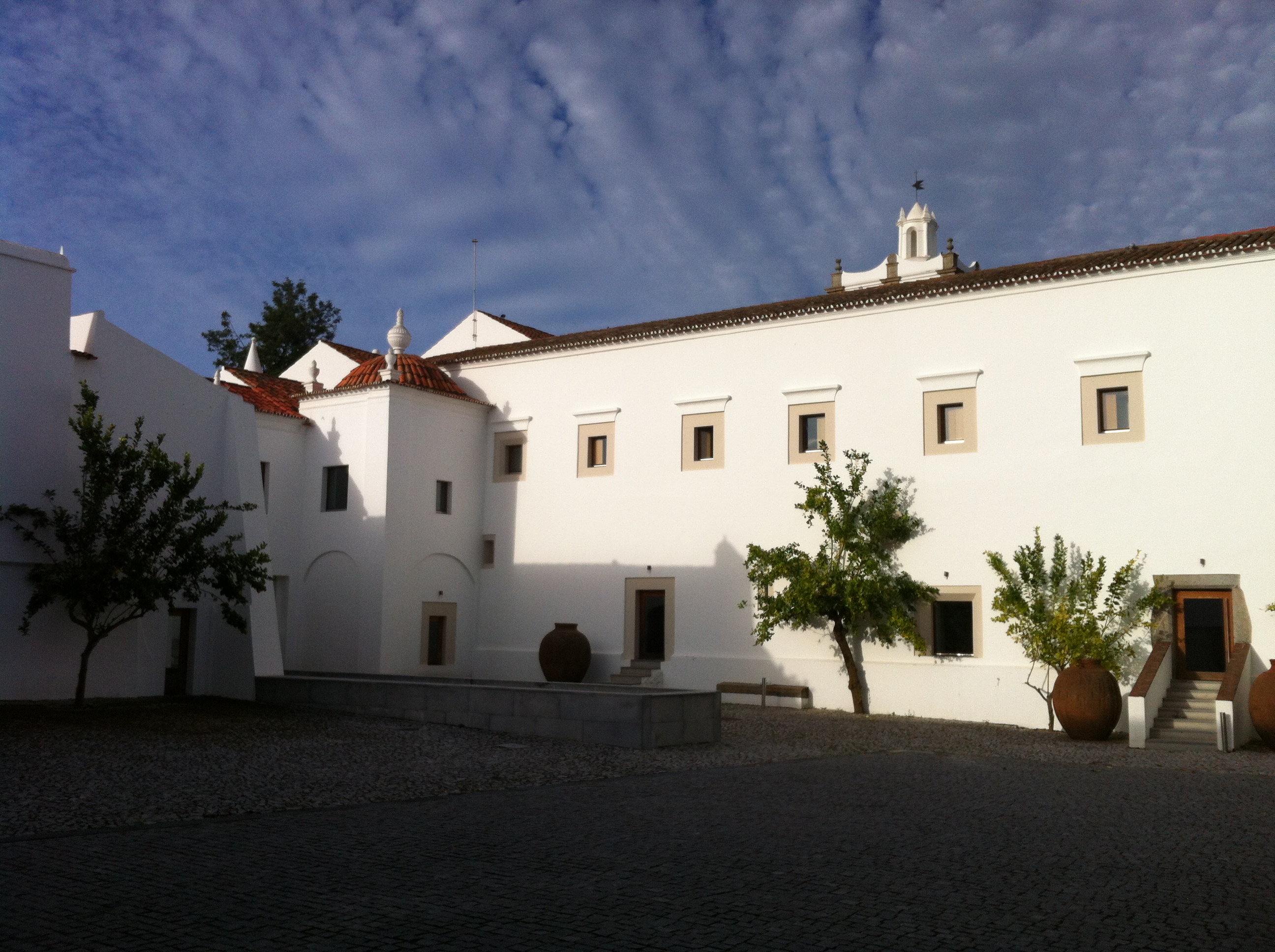
The tranquility of the Alentejo (I am at an old convent in Arraiolos close to Évora) has given me time to reflect on my time in Lisboa. And what I will miss when I return to England at the end of the week.

I like

  • Food & Drink: This is a city where food is an obsession and given appropriate time for consumption (it is rare to see someone eating as they walk). The Portuguese spend more (as a proportion of disposable income) on food and drink than just about any other race and it shows.  You can buy a perfectly acceptable bottle of wine for less than €2 a bottle in a supermercado; pequeno-almoco (breakfast) is much more fun taken standing up and always seems to involve a bica (small strong coffee) and a pastel de nata; a good meal for two with a bottle of wine rarely exceeds €40; and fruit and vegetables always seem to have more taste.
  • Courtesy & respect for the individual: the elderly are given respect, seats are always offered for those less capable of standing and people move to make way for others so everyone can board an overcrowded train, tram or bus.
  • Transport: Lisboa has an integrated transport system that (once mastered) is easily navigable. The card shown below is the one to choose since it allows multiple journeys on all modes of transport at a knock down price. What is not as easy is finding the tabaceiros (tobacco kiosks) that sell the card and also top it up.  Carris buses and trams are reliable and the drivers well attired.
  • It’s a walking city and safe: Pavements are constructed very much as they’ve always been, streets are interesting and distances between the main places of interest manageable.  Serious crime is rare and its citizens are welcoming.
  • Climate & location: Lisboa is blessed by a temperate and warm climate throughout the year.  It is still beach weather in Outobro and rare for the thermometer to go below 8c. Orlando (my language teacher) said his  (overcoat) is 25 years old and as good as new!  Lisboa is not far from anywhere else in Portugal – Oporto is but 3 hours by road (as is the Algarve); the motorway network is among the best in the world and empty as no one except touristas can afford to use it; and some of the greatest beaches (and waves) can be found less than 1 hour from the capital.

it takes time to get used to…

  • Inbuilt inertia: this is a place where getting ‘things’ done requires lengthy discussion and the involvement of multiple layers of bureaucracy. The unsuspecting visitor needs to set aside at least 2 hours for a task that elsewhere might take 1. Double that if government agencies are involved. Yesterday’s visit to the Financas to pay local taxes was an example.  On arrival the visitor is faced with an array of choices each requiring a ticket to join a queuing system.  After a couple of unsuccessful attempts (the system at the payment counter is not linked to the counter that can tell you what the charge is for) it becomes apparent that the trick is to hedge your bets and take a ticket for each section in the vain hope your numbers come up in the right order – its just like doing the lottery only more time consuming. And to cap it all if the card swipe system is not functioning a trip to a cash machine is needed to settle the tax!
  • Cocó de cão: Englishmen tend to walk with their heads looking upwards.  This is a mistake. Like many European cities Lisboa is blighted by dog turds strategically situated on pavements for the unsuspecting estrangeiro (foreigner) to tread in.
  • Fumar: The Portuguese seem to have turned to the cigarette to ward off the mental effects of the Troika’s austerity programme. There is a smoking ban yet as my Benfica champions league experience proved it is enforced sporadically, which can be irritating if you don’t like inhaling others’ smoke.
  • Aparências: Face is important.  Most cars are in good condition; people especially businessmen/women are very well turned out; and formality over greetings and goodbyes are very important.  Two kisses suffice for most occasions but one is considered appropriate for “as tias”. This ‘face’ issue also results in unwillingness by the business community to share experiences and hinders the exchange of knowledge among peers. At an organizational level bright managers are leaving the country (perhaps for good) frustrated by the lack of a collaborative environment with future prospects blocked by a layer of middle management well versed in the techniques of self-preservation.
  • Arrivals & departures: Time management is not a core competency, an ‘on time’ departure being a concept alien to many. A range of reasons is summoned to explain why people arrive late: heavy traffic is usually the first choice closely followed by a misunderstanding of what was agreed. Rarely is there an admission that the late departure is due to a last minute change of clothing or confusion over venue and time.  And it can take up to 15 minutes to say goodbye especially to relatives involving “adeus / até logo” in the main room, the hall and at the front door. At the end of a long evening this can prove a challenge to the uninitiated.
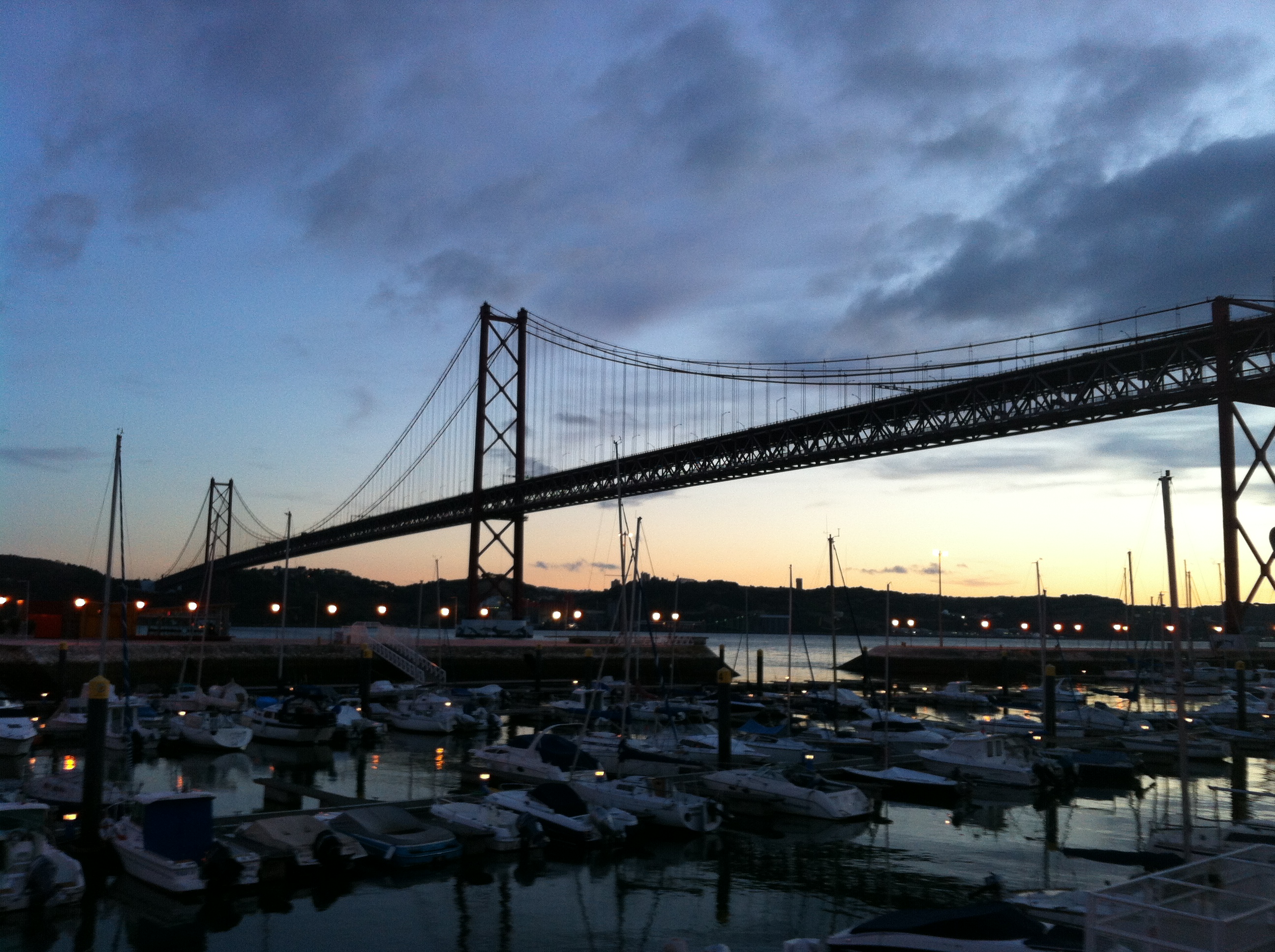
Lisboa at night across the Tejo from Docas


Riding the 723: a strange encounter on a Lisbon Bus

Today began strangely: I’d managed an uninterrupted night’s sleep (my first) thanks to the success of the mosquito spray (mosquitoes are one of the downsides of living beside a river in a hot climate); and I wake to the mournful sound of a ship’s foghorn on the river, not the refuse collectors. Both were to prove portends of the day ahead.

Levante-me as sete horas (I get up at 7 o’clock) and look out the window at a thick névoa (fog) engulfing the surrounds of the Tejo river.  Another climatic variance: humidity and the forecast of rain!

Though the trains are working I plump for the 15 tram. Unfortunately I fail to make the appropriate gesture so the 7.30am to Praça de Figueira glides by without stopping. Not a great start then!  However the previous day I’d looked at the on line bus timetable and discovered that the 723 runs from ‘my’ stop to Marques de Pombal (the main roundabout in Lisboa) a short walk from the language school. Obligingly one appears.

Boarding, I notice a difference in the passengers. Dark colours predominate matching their demeanour and the weather.  Most are gazing vacantly out the window; there is an absence of laughter and no one seems to be reading a newspaper despite TV fulminating daily on the vagaries of austerity. I feel (and probably look) out of place, a feeling exacerbated when Bus 723 turns sharply left and heads north into the hills, passing houses with shrines to the Virgin Mary built into their walls, rather than east tracking the course of the Tejo which is my usual route.

As we pass through the affluent embassy district a woman (looking like a combination of Victoria Beckham and Nancy Dell’Olio) wearing what appears to be haute couture clothing joins me in the ‘distinct’ passenger camp on the auto carro (bus). In black 6 inch heeled shoes, tanned, with long dark hair; discrete pieces of gold that set off an obscenely tight black dress and a Burberry handbag, she turns most heads as she stands next to me on the crowded bus. I could not have chosen a less effective way to merge into the background!

Minha Mulher Ana (my wife Ana) has warned me about the Brasileiras (Brasilians).They can be a source of discomfort to women here a situation not helped by tales of prominent Portuguese men going off with Brasilian woman young enough to be their daughters; I believe recently estranged single women in both UK and US also provoke a similar reaction often finding themselves omitted from mixed gatherings as a result.

Fortunately she makes no attempt to engage in conversation (perhaps noticing my sense of unease), sits when a seat becomes available nearby crossing her legs in a provocative manner and exposing more thigh than a plucked chicken.  I’m sure at this point the male passengers feel like the Police guy in Basic Instinct when Sharon Stone did the infamous interview scene. I sit down and view the external scenery which is changing as we get higher into the hills and the fog thins; a cue for the next piece of essential fashion accessory to be produced – the designer sunglasses which adorn the head’s of most woman here irrespective of the climatic conditions.

After 35 minutes including a circumnavigation of Ajuda University campus, Bus 723 arrives at Marques de Pombal and I alight followed by my new ‘friend’.  A nod of acknowledgment suffices as she turns into a smart looking office building and the mature student heads up the hill pondering:

  • where she was from
  • why she chose to position herself where she did and
  • why she was on the bus rather than driving a Ferrari?

Normality returns as I reach the Pasteleria that has become my pequeno almoço (breakfast) venue. I seem to have ascended to the rank of a regular since my arrival is greeted with a bica (espresso) and a pastel de nata amid more head nodding. The TV is on and by way of a break from austerity features footage of a fatal crash in the Algarve – lots of tut tutting here about the standards of driving among the young. As always graphic images accompany the dialogue.

You can only have so much good news in one bulletin and on cue Finance Minister Vitor Gaspar is on screen conversing with fellow Euro Finance Ministers plus IMF chief Christine Lagarde. That he is smiling and they are laughing becomes a subject for animated conversation among the Diario De Noticias Portugal’s serious broadsheet) fraternity ‘enjoying’ their breakfasts.

Suitably fed, watered and calmed after my close encounter on the 723 I enter school for a conversation with Professor Orlando about his extra curricular activities as a maratonista (marathon runner). He is clutching a batch of printed papers which I see contain my blogs – he must be the only person to have downloaded them all – I feel quite flattered and buoyed up for the day ahead.


Fado, fish and football: ‘português é muito difícil’

It took me 3 hours to do my homework before I went out yesterday. My mother in law who is my marker said I’d got the grammar correto (correct) thoughtfully adding  ‘português é muito difícil’ so hopefully I am making progress. Just to make sure, our apartment is littered with yellow sticky notes so I can remember for example that when I wash my hands in the lavatória it is the wash basin and not the sanita (toilet)!

It’s a week since I traded the autumn and drizzle of Lewes for the late summer warmth and sun that is Lisboa in October. What’s happened?

For a start Portuguese Finance Minister Vitor Gaspar upset many here with new austerity measures that will impact most on those with high (relatively speaking) household incomes of €150k+. Delivered in a monotone voice with the demeanor of an undertaker with a bad toothache he just about got away with it as he is seen to be doing what’s in the best interests of the country.  That there will be a backlash in the form of more strikes is not in doubt and already business leaders are urging tougher action on reducing state expenditure. What was of more importance; the global financial market response was positive and Portugal managed to rollover some bonds at less than the penal rates it attracted before, a precursor to reestablishing credibility when serious borrowing is required in a few years time. The outlook is far from certain as I write this with unemployment predicted to be 16.4% in 2013.

The train drivers (who I am told are well paid) have taken umbrage at austerity so all rush hour trains from Cascais to Cais do Sodre (Lisbon Terminal) via our stop at Algés were cancelled for three mornings.  There are frequent ticket checks on trains, trams, buses and the metro to prevent fare dodging though I’ve been impressed by the civility and patience of the inspectors when dealing with estrangeiros (foreigners, mostly Americans) who are unaware of the need to swipe the ticket before boarding.

The daily commute to classes has been instructive requiring ingenuity and adaptability.  On two days there have been accidents that impacted tram route 15. On both occasions almost miraculously a bus appeared (with number 15 on it) and became the tram so it could avoid the incident and get us to work on time. All conducted with a minimum of fuss and good humour completely at odds with the common perception of life here.

Tuesday saw me at the estádio da luz (Stadium of light) home of Benfica for the UEFA champions league fixture with Barcelona; surely one of the great matches. A fuller report with pictures is available here: (Benfica-vs-Barca: an englishman’s perspective). Suffice to note that it was an extraordinary evening from start to finish. Take a close look at the picture and the skyscraper behind to see how high up the spectators are!

Thursday night the language school organized dinner at a casas de fado (fado house). I met ‘my’ classmates in one of the main squares, as I was worried about some of the younger girls wandering around on their own in the Bairro Alta area of the city that can be a bit bohemian and in your face. More by luck than good judgment I got our party there in good time unlike the main party that arrived 1 hour later. The downside: we had to down copious quantities of Superbock (local beer) without food. The upside: Alexander the shy German from a town with an unpronounceable name was sufficiently inebriated that he was moved (at my prompting) to join in with the singing, displaying an astonishing talent that surprised everyone. And I shall forever treasure the look of incomprehension on the face of our empregado (waiter) when one of our party asked for fish with no bones!

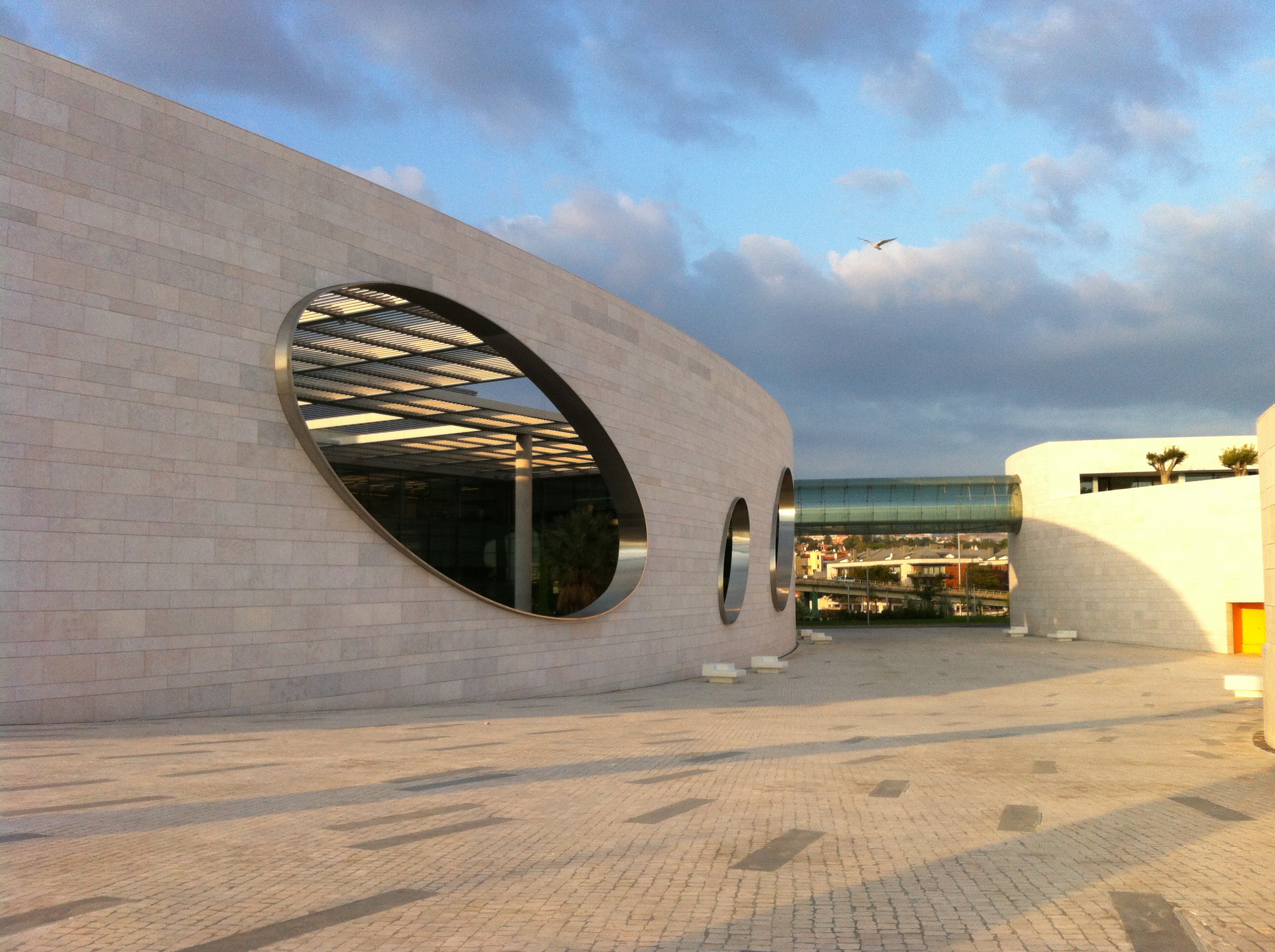
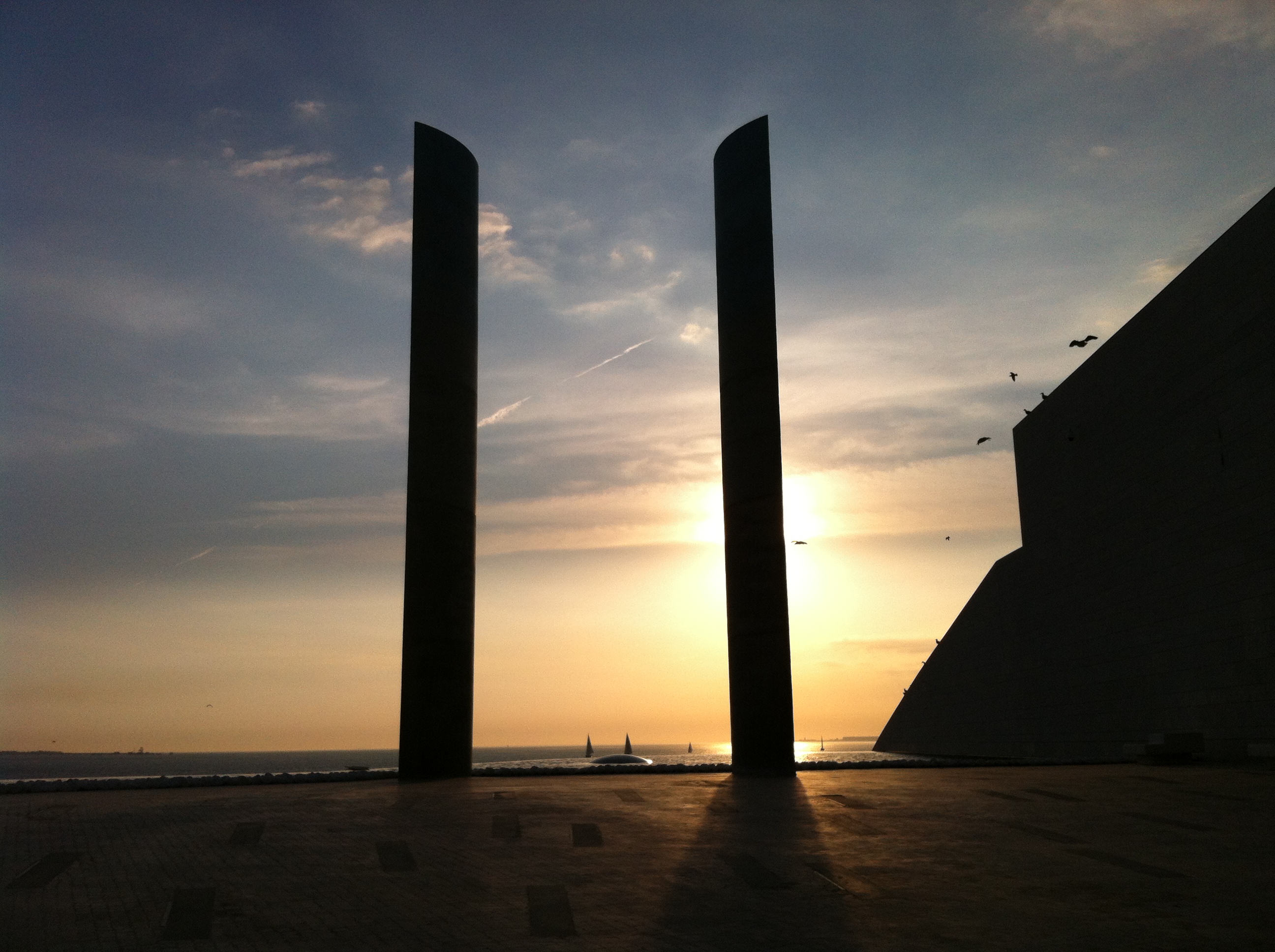
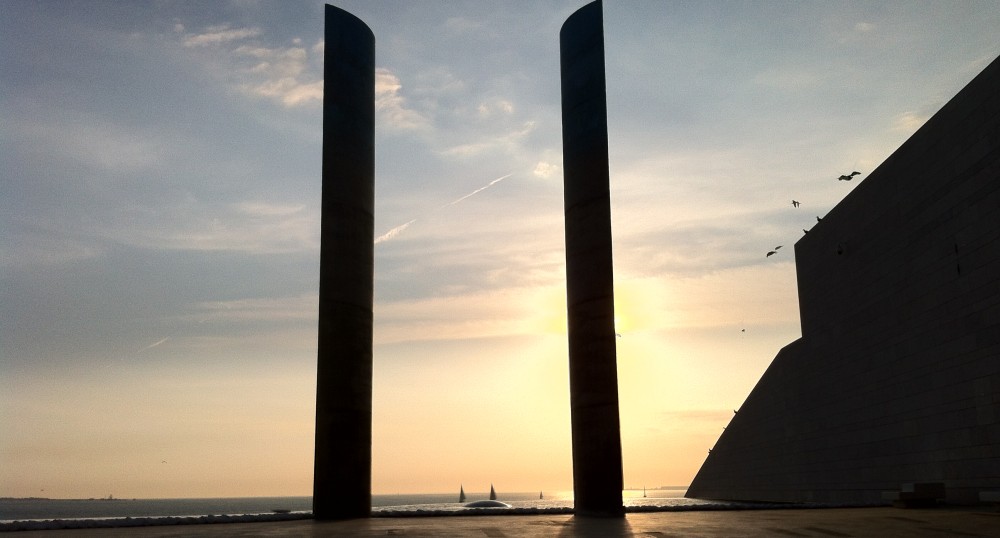
It was fortunate then that we had a public holiday on Friday (Republic Day) so no classes. People went off to see relatives: I went for a coffee with one of my fellow classmates and then walked back along the seafront ending up at the most visually stunning modern architectural masterpiece just as the sun was going down.

The buildings were constructed using donations made by the foundation established by one of Portugal’s richest families and form a research centre that attracts the world’s best ophthalmologists.


One of the buildings has a restaurant with a view that is unsurpassed while the centerpiece comprises two columns surrounded by an infinity water feature that face due west towards the US.

Truly amazing!


iTranslate (a wonderful little iPhone app) has come in very handy for those moments when my feeble attempts at conversing with my mother in law in her native language have come to a dramatic halt. Now she has mastered the art of speaking into the iPhone so the app can understand her voice we’ve got over the periods of interminable silence that were a feature of our meals on the first couple of days.  Last night was an amusing example: having told her about meus pais (my parents) I asked about her father and mother (pai & mãe) and what they were called.  Like many words (especially names) there is no effective translation witness the outcome: ‘woody roach’, hardly an endearing term with which to address anyone.

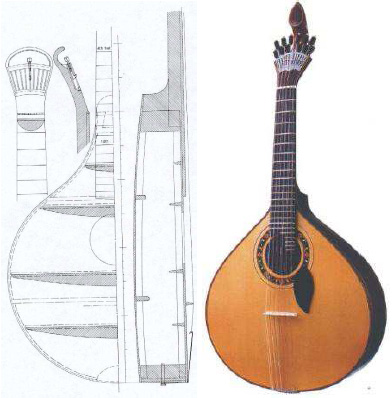
Sabado (Saturday) after homework I went to Lisbon’s Fado Museum. It is a must see if like me you are drawn to the haunting melodies that characterize this special form of indigenous Portuguese music that dates back to the early 19th century and was originally sung by the lower classes as a way of telling stories about their lives.  A few bits of trivia: in 2011 Unesco classified Fado as ‘Intangible Cultural Heritage of Humanity’ whatever that means; Fado is typically performed with a singer and two guitarists one playing the Spanish guitar, the other the Portuguese guitar (see below); and Mariza (probably the most popular Fadista – fado singer – today) has toured the world selling out in each location – I’ve been to two concerts and cannot speak too highly of her.

http://www.verdesanos.com/pics/guitar.jpg

It being Domingo (Sunday) today like many I went to the Praia (beach) at Estoril just a 20-minute train ride away along the coast.  Out of the station and onto the beach it was lovely to be bathing in clear water in October (even if it was a tad cold – frio).