“… a brilliant and eye opening experience”: using ‘The Apprentice’ format for a good cause

This quote, from one of the Accenture team who took part in a Corporate Social Responsibility (CSR) volunteer day in blistering conditions at Islington, London a few weeks back, was in response to a question I posed at the conclusion of the event:

Q) As you leave: if someone in the office asked you about the day what would you say?

A) ‘Was a great day with a chance to do some real good.’ was another participant’s reply.

Those who follow my musings will know how honoured I am to be invited to become a founder trustee of the charity PlanZheroes (PZ) who aim to help make use of surplus food. The CSR day, one of a number of imaginative ‘offerings’ PZ developed, gives organisations and their employees a chance to put something back into their community while concurrently testing their innovation, teamwork, sales, negotiation and project management skills in a real life setting.

‘…your task…’

To make the day really energetic PZ introduced an Apprentice-style competitive element. Fifteen people, three teams, three separate areas of London: Who will raise most awareness and get most businesses and charities added to the map?

I was there with CEO Designate Maria Ana Neves and a team from PZ whose role was to shadow the teams as they made their way around Islington and to provide input for the debrief session that was to end the day.

The 16 participants began by introducing themselves and noting something that others might not know about them. This was to prove a great kick off session, part of the briefing to equip them for the time they were about to spend out and about in Islington.  We asked later what they’d expected:

Q) On arrival what were you expectations?

A) I did not expect the day to be as organised as it was or to have such supportive helpers

fired up and ready to go

Briefing over and armed with PZ badges and little books each team spent a while perfecting their strategy, the messages they were going to give to the organisations they met and who would be doing what.  A large part of the challenge of approaching food outlets is to recognise that surplus food is a natural by product of the suply chain, hence we advised them to avoid using the word ‘waste’.

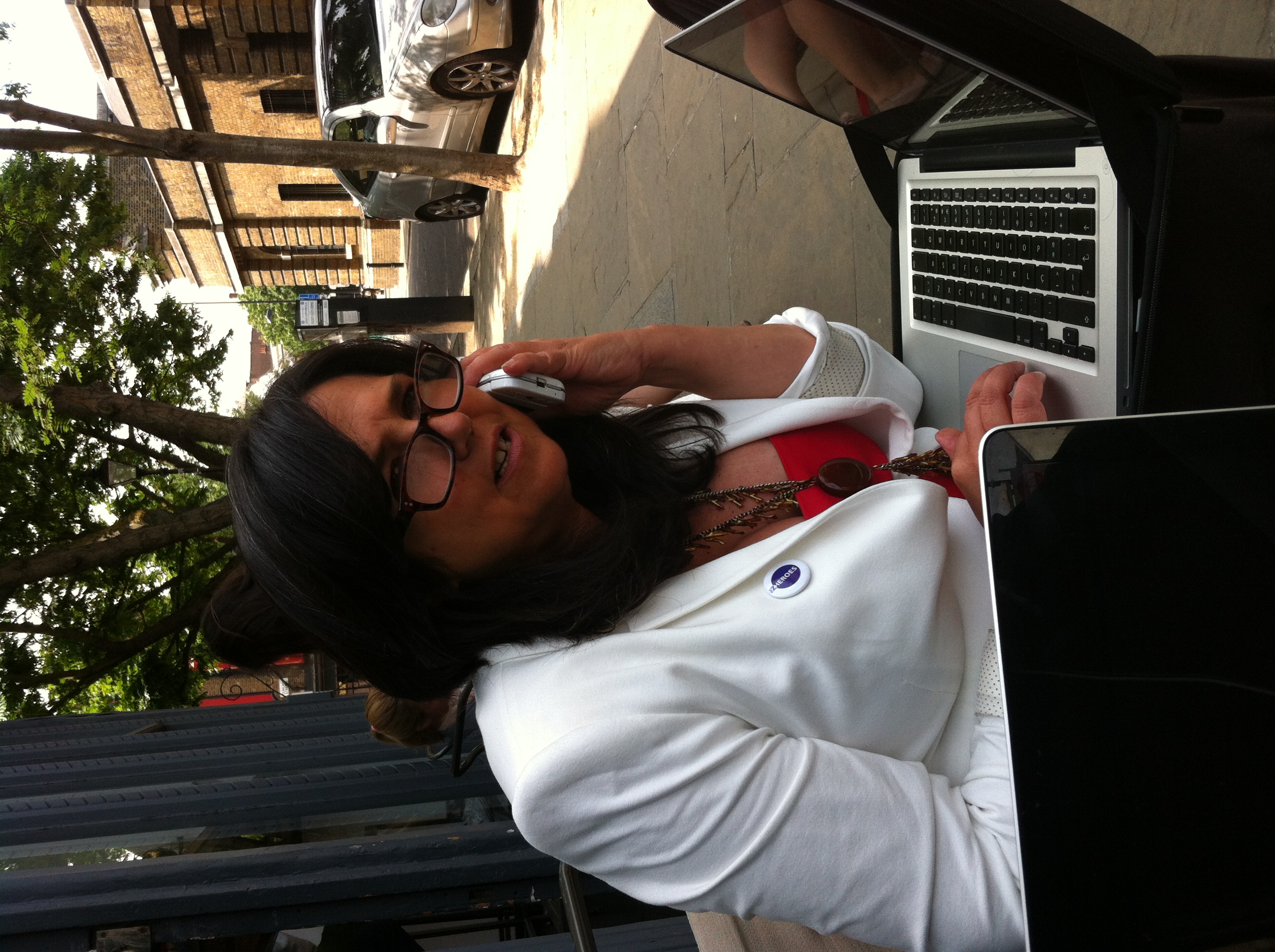
IMG_1007

We were not to see them now for 5 hours so Maria Ana and I monitoroed their progress via Twitter and the PZ Map updated as contacts were made and organisations signed up.

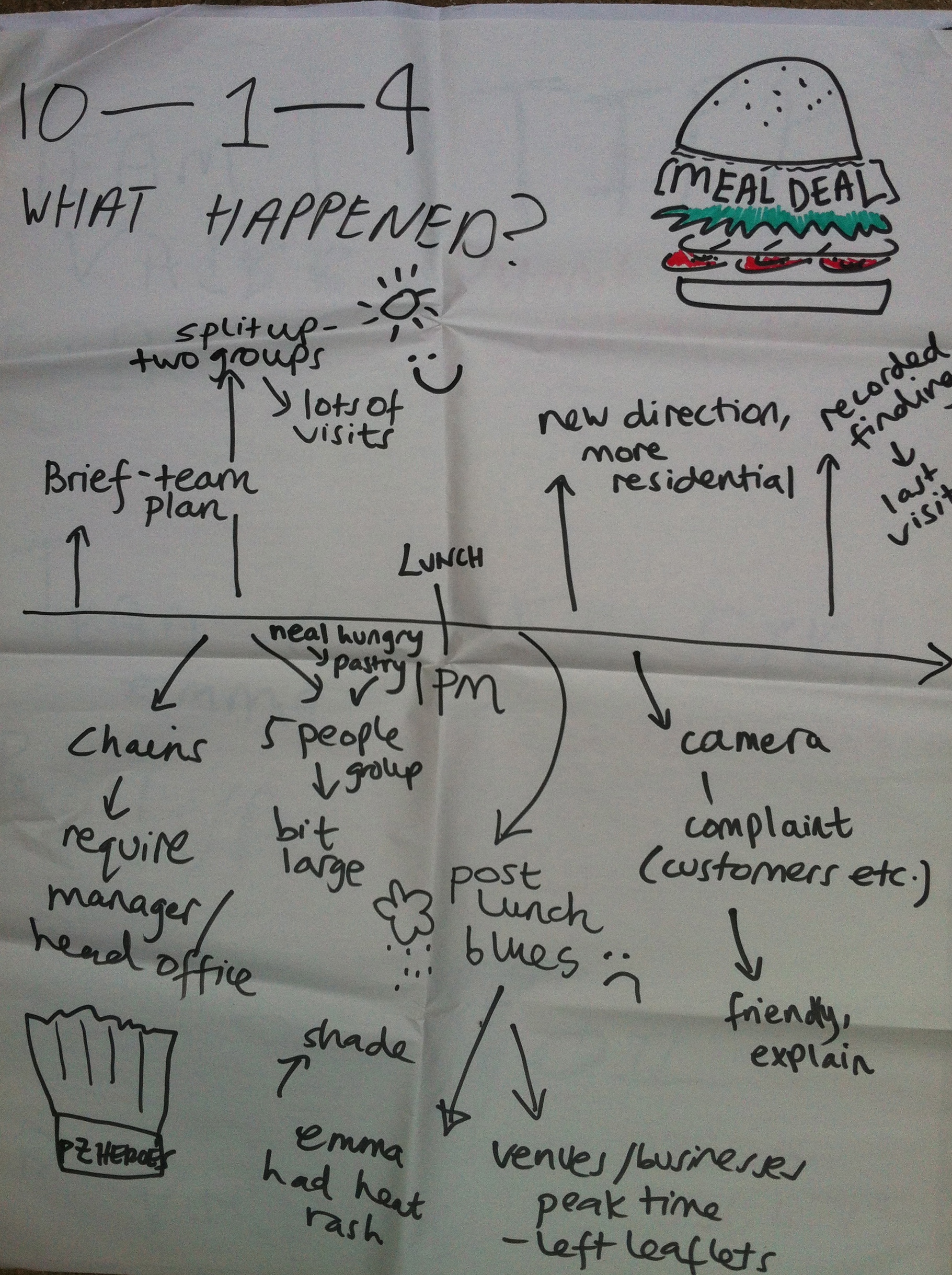
The teams assembled back at base just before 4pm for the debrief. I asked them to use a timeline as a prompt to describe what happened, when and who was involved with a further commentary as to how they overcame difficult moments.

One of the team's timelines

One of the team’s timelines

Though lighthearted it gave the teams (and a senior manager who joined at this point) a chance to compare and contrast: what had worked and what hadn’t; where did they get pushback, from whom (and why)?

amazing results

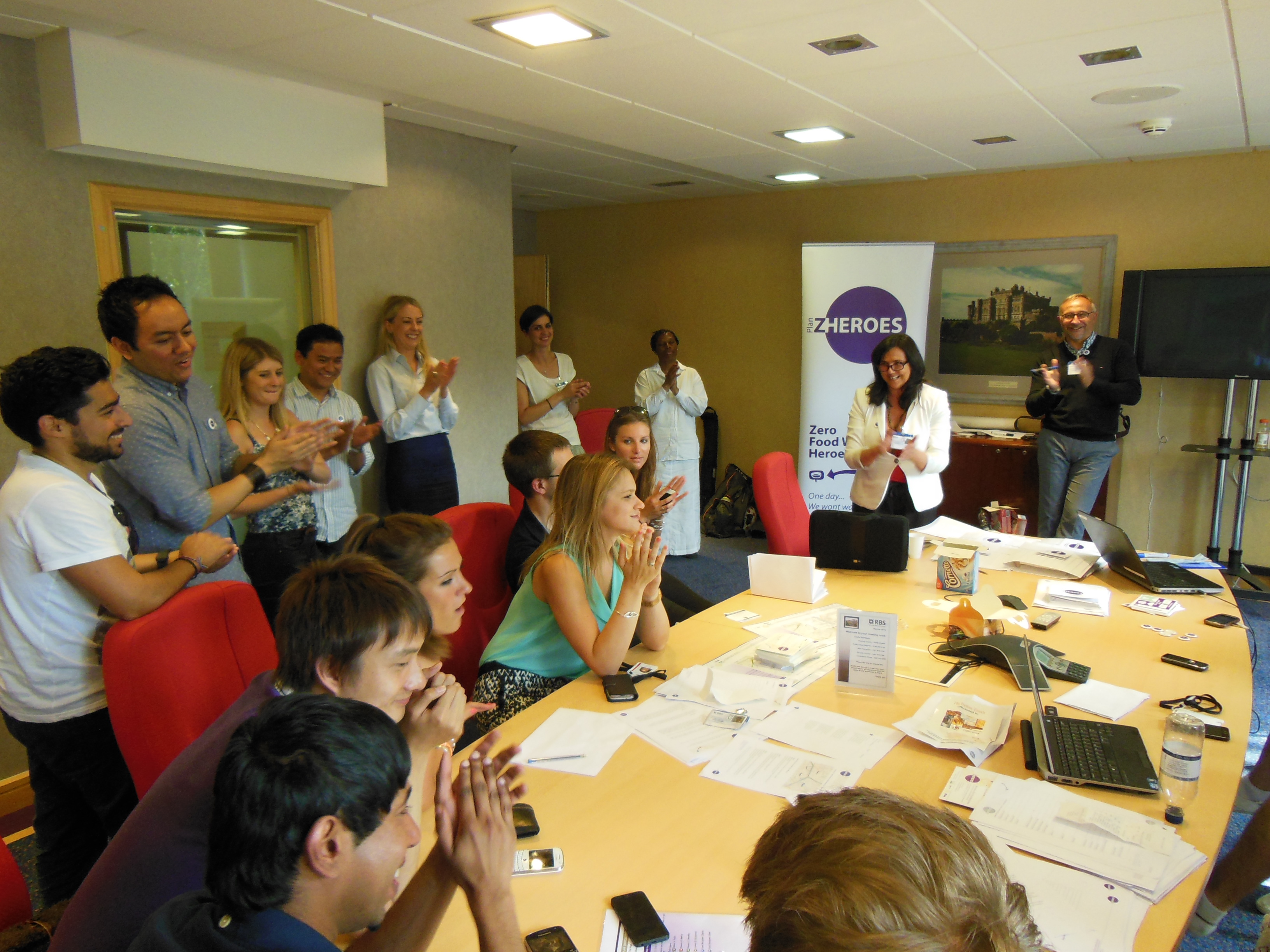
Before revealing the results Maria Ana asked the teams to develop a one sentence ‘why we should win’ statement. The ‘results’ were amazing:

Announcing the scores

Announcing the scores

  • 14 new businesses on the map & 1 new charity sign-up
  • 35 businesses to follow up & 2 new charities to follow-up
  • one team even walked to Holborn to talk with Sainsbury’s head office
  • two teams got their lunches for free (or part of it!)
  • 130 mix of facebook likes and tweets/followers and we were told one celebrity chef is supporting us (details to find)

Perhaps the most value though comes from the way the teams come together and the roles they play throughout the day. Here’s a couple of responses to my question about role models:

Q) Role model: who did you admire during the day and why – tell us about what they did?

A) One memeber of the team really came out of their shell and were particularly confident when approaching businesses …

A) …The person was awesome and I think I have learnt some people skills that day.

To learn more about Plan Zheroes’ special days for volunteers and organisations please contract us via the PZ website

My chairman’s presentation looking at a decade of KMUK: the importance of managing for serendipity

It took me a while to think about what I was going to say to the first full house KMUK has enjoyed for many years as I detect a palpable sense of excitement among the organisers.

Over the last couple of months I’ve been at Social Business events in Lisbon and London and came away feeling that the phenomenal adoption of collaborative social technologies and the clever use of Big Data has the propensity to fuel the resurgence of Knowledge Management.

We live in a world now where: Philips have the ability to log when any light bulb is being switched on and where; testimonials and consumer recommendations (on sites such as Trip Advisor) are the most trusted form of advertising & marketing; the art of sales is about a long tail engagement (consumers publicly telling family and friends what they’ve done and bought); and in effect, performance improvements come from making the invisible visible. All of these characteristics are likely to be found in a knowledge driven organisation.

Its  reaffirmed in my mind: the importance of personal contact and facilitation; a  need to be clear about why this critical knowledge ‘stuff’ is being captured and harvested; the importance of the right environment (and culture); and the idea of focusing on Ambassadors / Champions especially in global organisations.

the address

Good morning and welcome to the 10th anniversary event of KMUK. I said in the event flyer that I thought there was a stellar speaker line up with MAKE winners and some of the most influential thought leaders in the Knowledge Management space.

Over the next two days you are also going to have the opportunity of spending time with your peers as well as engaging directly with the speakers in the breaks and at the speaker clinics. And for the first time at KMUK the opening Keynote will have two carefully selected respondents.

It promises to be an interesting and stimulating two days: a number of the speakers will be using KMUK as the launch event for ideas, techniques and groundbreaking partnerships.

There is a twitter hash tag KMUK and Ark will be consolidating all of the tweets into a Storify record of the event.

Back to 2003

It being the 10th anniversary, I want to take you back a decade to the last KM Europe held in the UK at Alexandra Palace in 2003. Many people wrote blog posts about the keynote speech. I’ve selected a few quotes:

  • …much of our current knowledge management practice is being locked into content management,
  • …we are all engaged in a constant process of sense-making, where we try to find the best available explanation for something based on previous experience rather than the perfect logical solution. This is why he favours “narrative management” and story-telling as more appropriate vehicles for knowledge sharing than replicating best practice
  • Conventional Knowledge Management has been too concerned with codifying explicit knowledge to aid replication, and with using categorisation (where we construct data around a framework), rather than exploration (where we construct frameworks around the data).
  • innovation springs from emergence in complex systems, which means that we should be “managing for serendipity” by creating the conditions for creative innovation to emerge.

Again it’s worth returning to what was said back in 2003

  • Too many people focus on managing knowledge rather than managing the channels through which knowledge flows. Just connecting or linking people can be a major knowledge management activity.
  •  … new tools now allow us to telescope five to six years of social networking down to five or six weeks, albeit with less  density. Such programmes aim to create linkages where no linkage currently exists and are particularly useful during re-organisations and activities such as merger and acquisition.
  • Attempts to engineer a network through design and allocation of staff to groups generally fail as they create artificial relationships that are not  sustainable. Self selecting social network stimulation replicates, but in a shorted timescale, a natural process.

At that event horizontal km software vendors were much in evidence as they had been at all of the previous ones.

  • Intranets were into their 2nd wave, people were struggling with enterprise search, decentralized publishing and SharePoint, some 2 years on from its launch, was competing with other document management systems and had yet to achieve the ubiquitous enterprise status it has today wherein in many in senior management say ‘we do km, we have SharePoint!
  • Android Inc was being founded and would become the largest mobile operating system inside a decade mirroring the dramatic growth of mobile smart phones.
  • WordPress too was launched bringing self-publishing to the masses. It has recently been the beneficiary of an exodus from Tumblr following its acquisition by Yahoo – more of them and Marissa Meyer later.
  • IBM were undertaking a 72 hours ValuesJam, for all employees in a debate about the very nature of the company and what it stood for.
  • The 2nd Gurteeen Knowledge Management conference was taking place – its themes: ‘knowledge, networking and communities’. And it was all about conversation. One delegate’s key soundbite: “Knowledge is not something you keep in your head, it’s a behaviour”’
  • In 2003 the book Knowledge Asset Management was published. It recognized critical knowledge as an asset to be nurtured.
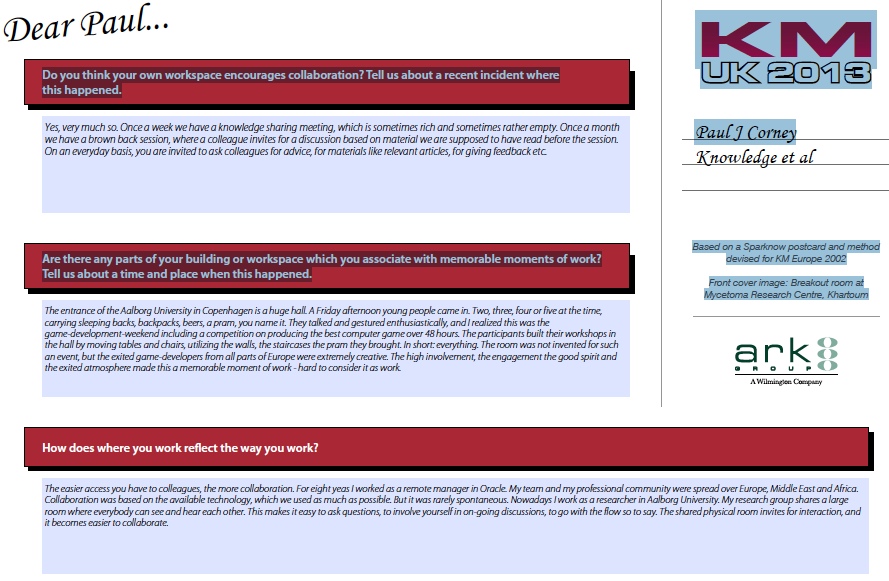
  • Also that year my colleagues and I at Sparknow were using the traditional techniques of a postcard as a prompt to ask delegates at KM Europe about their work spaces and what the new virtual world would do to the traditional office and ways of working. We collected but never published a number of very insightful comments.

when space matters – looking at workspace

So since in my view worPostcard front coverkspace (physical and virtual) plays a critical role in all things Knowledge Management we decided to repeat the exercise a decade on and asked the speakers if they’d take first stab at answering the same half a dozen questions.
Postcard page oneI’ve collated their responses and contrasted them with some of those we had in 2002/3.  The report is available on line along with the conference proceedings. It would be great if you could add to the body of work by filling in your own and putting them up on the wall.

KMUK 2013

Social vs. Knowledge Management

You are going to hear a lot about community, collaboration, culture and change. Also context, champions, conversation and communication. Your challenge over the next two days is to work out when and how to harness the array of social tools and use them in context/ tandem with other initiatives. Here’s a really interesting and recent extract from a Gartner blog post:

  • Knowledge management is what the company tells me I need to know based on what they think is important.
  • Social media is how my peers show me what they think is important based on their experience in a way that I can judge for myself

Knowledge should be like water — free flowing and permeating down and across your organization filling the cracks, floating good ideas to the top, lifting everyone in the organization.

Knowledge management, in practice, reflects a hierarchical view of knowledge to match the hierarchical view of the organization.  Knowledge may originate anywhere in the organization, but under knowledge management it is channeled and gathered together in a knowledge base (cistern) where it is distributed based on a predefined set of channels, processes and protocols.

Social media looks chaotic in comparison. There is no predefined index, no prequalified knowledge creators, no knowledge managers, ostensibly little to no structure.

Where an organization has a roof, gutters and cistern to capture knowledge, a social media organization has no roof allowing the rain to fall directly into the house collecting in puddles wherever they happen to form.  That can be quite messy and organizations abhor a mess.

Last week I was an invited guest at the Dachis Group’s Social Business Summit.  A month previously I’d been helping to run a similar event in Lisbon at which social vendors presented their wares to a fictitious company.

Both events threw up so many crossover points with Knowledge Management and I shared a number of the tweets on the #KMUK twitter site. Here are a few sound bites to reflect on as you are thinking about it

  • Social interaction accounts for 50% of the performance of the team We are now consuming more content generated by each other than generated by media companies
  • Brands are a natural community of people identifying with each other, with a shared set of belief /Advocates are the ‘tribe’ who need motivation/incentives. – Employees are the most important and need empowering to do so
  • social helps to drive savings where knowledge management comes in’

The two that stood out for me and reappear as a theme this afternoon

  • A dead sale is one that’s not shared.  People must be incentivized to share.
  • Who can add value to the data?  Data will tend to migrate to where it will be most effective.

Paul J Corney

For KMUK June 2013
Brighton’s Food Waste Collective to run ‘making use of surplus food’ event

I met a woman last week in a cafe in Eastbourne.  Her name was Tam, a young Buddhist with a passion for helping others less fortunate. She is a member of the Brighton Food Waste Collective and she’d come from Brighton to interview me about the ‘making use of surplus food’ initiative I set up in Lewes in 2012.

Tam and her team are going to be running an event in a couple of week’s time which I’d heartliy endorse and not just because Maria Ana Neves of Plan Zheroes (she was a great hit in Lewes) is speaking.

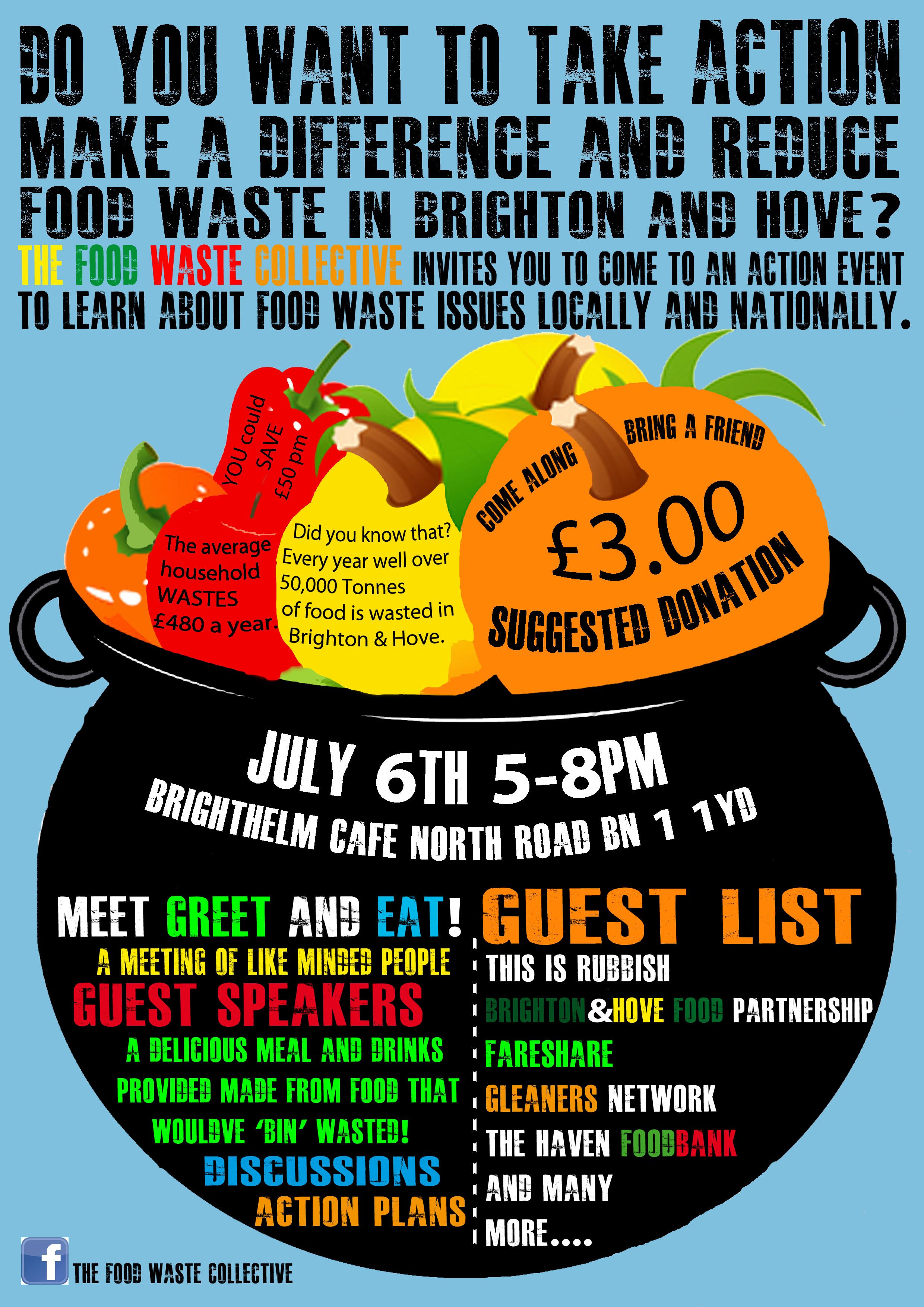
food waste collective event posterTo be held at Brighthelm Cafe in North Road Brighton its going to be a real opportunity for donors and charities to come together and see how they might make use of a host of willing volunteers keen to make a difference.

In the hope it might help others who are thinking about a similar activity I want to share something from the excellent interview notes Tam took and published.

‘He said that there are the two ends, who wants and who has to give but it is the middle that creates the logistical nightmares – the getting the food from a to b. I talked about there having to have leaders and ideas people and the technology of the map but also we need the “foot soldiers” – the bodies, cars and bicycles to move daily food from a to b. This is what our event can find. People! Willing people! Hurray 🙂

Paul then asked if I would like some advice, I said yes please! He said “my experience tells me that…” in a nutshell he suggested starting small and high lighting six charities representing “demand”, and six restaurants or shops representing “supply” then set a finite time scale of six months to put only those twelve into action. Make pilot projects! Then he suggests we re-assess and see what has worked? What has failed? Why? He suggested treating it like a research project. He suggested using Google Groups (?) He said “Don’t spread yourself too thin!” Also, which I adored, “Don’t attempt to boil the ocean!”

Paul suggested making objectives: Can we identify the demand? Can we identify the supply? Develop a picture. Two ends – who wants? Who has to give? Make a brief: identify potential charities to supply to….

Paul talked about reverse brain storming – I love this – it’s a technique where you ask the people at the event “what are the best ways to prevent the food getting from a to b?” “How can we make sure the food is wasted/rots/has to go in the landfill?” “How would you ensure that the surplus food re-distribution chain would not work?” He described how he uses this technique in his professional life to get folks’ brains to work in a different way.’

Plan Zheroes is moving ahead apace with plans to be come a registered charity and I am honoured to have been invited to become one of the founding Trustees to provide a focus on knowledge sharing. This is what sets Plan Zheroes apart.  As its evolving technology platforms get completed it will be able to provide an instant view of where surplus food is located and so match the charities who need it with those who have it to give.  It’s skill is then in coming up with innovative solutions on how to get it from A-B.

And by making the knowledge of how to set up an initiative (and a guide for volunteer management) Plan Zheroes is attempting to help replicate the model (here and overseas) that is working so well in London.

Good luck Tam and the Brighton Food Waste Collective!

when Moscow and Bangkok meet: conducting a cross border/cultural debrief

A couple of weeks ago I was the fictitious CEO of a global insurance group listening to a presentation by a combined group of Russian and Thai delegates at a training programme. Their task was to convince me that my company should engage them and to do so they had to demonstrate knowledge and understanding of the approach they’d spent the previous 4 days learning about.

They had a few rules to adhere to:

  • The presentation was to last for a maximum of 50 minutes and minimum 25 minutes
  • Each person had to present for at least 5 minutes and no more than 10 minutes

Those familiar with both cultures will know that one is voluble and will openly debate, happy to occupy centre stage; the other more reserved preferring offline conversations with an aversion to open criticism.  After lunch my challenge was to conduct a debrief on this exercise with the group drawn from consulting and energy with a good to acceptable command of English.

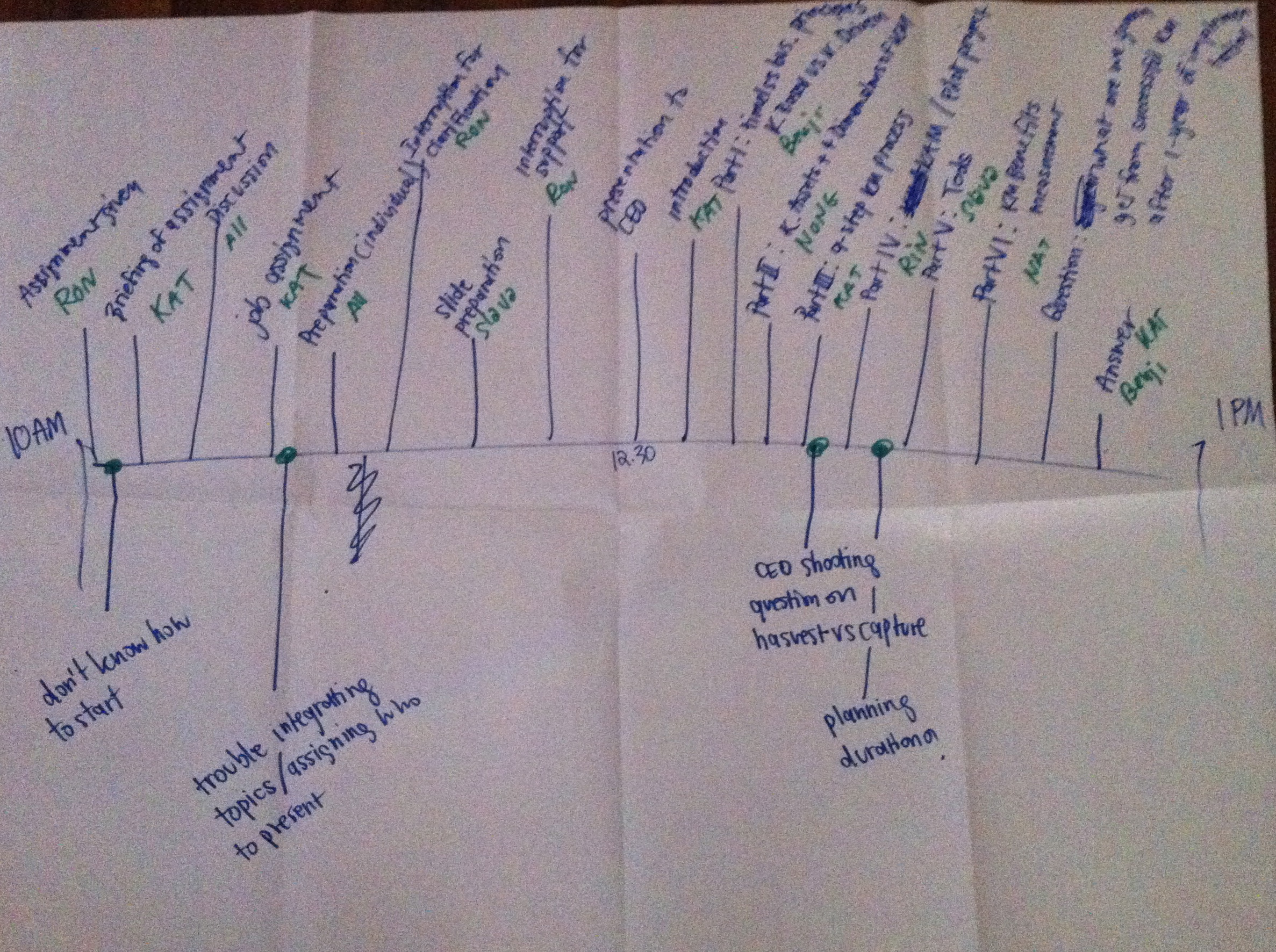
I settled on using a timeline as a way of giving both groups a neutral object on which to focus.  I was trying to get them to recognise how differently groups from varied backgrounds and cultures can view the same exercise while concurrently acknowledging their very positive actions as a group. 

using a timeline as a catalyst for coming to an understanding about an event

Here’s the instructions I used:

  1. Please split into two groups Russian Team and Thai Team and take 15 minutes to:
    1. draw a timeline: from handing over to presentation
    2. now trace the steps and the chronology, noting down key moments/decisions as you saw them and who was involved
    3. were there any moments the group got stuck and if so how did you overcome them?
    4. when you’ve completed your sheet put it up on the wall
    5. then inspect the other team’s and note down any obvious differences

A key request was that ‘above the line’ they should record the key moments and ‘below the line’ the sticky (or difficult) moments. TimelineThe Thai team with their energy (engineering) background created a detailed forensic account whereas the Russian Team provided summaries for each of the headings above. The group found it very useful to discuss the difference in approach and outputs since it has real implications on the way to roll out new initiatives in a global organisation.

There was a lot of laughter (a good sign) when I invited them to split 50/50 Russian/Thai in pairs. I invited them to

  1. Get into pairs and discuss
    1. What is something that worked well in this activity?
    2. What is something that did not work well in this activity?
    3. What is something you would do differently next time?
    4. And finally, what behaviours did you find most helpful as you worked in a team for the first time.
  2. Back into plenary and capture each person’s comments.

Once we’d surfaced positive behaviours it enabled me to split the ‘teams’ and as a mark of progress I asked the listener to repeat back what their partner had said.

my takeaways

The formality of the timeline allowed both cultures to fully participate in their own way and  gave the less voluble Thais a mechanism to voice their feelings which otherwise might have remained hidden.

It re-emphasised the maxim that in a global business tailoring your messages to each audience is critical to get adoption.

And finally it underscored the idea that when undertaking a debrief it is important to always recognise and acknowledge the good behaviors that others adopt.

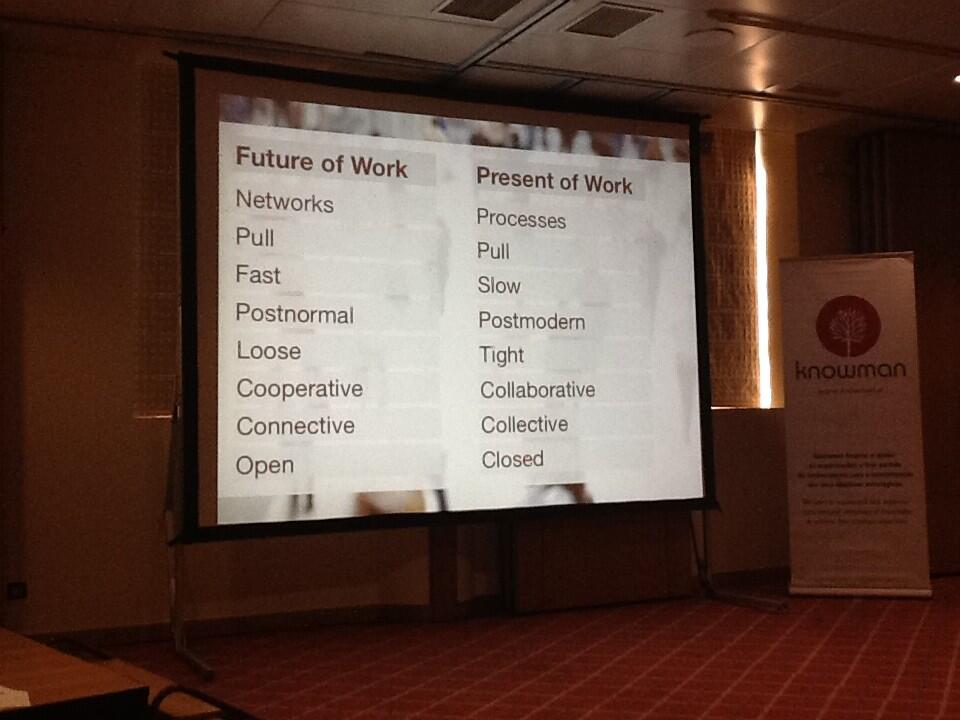
future of work: ‘cooperation not collaboration…’: takeaways from SocialNow Lisboa 2013

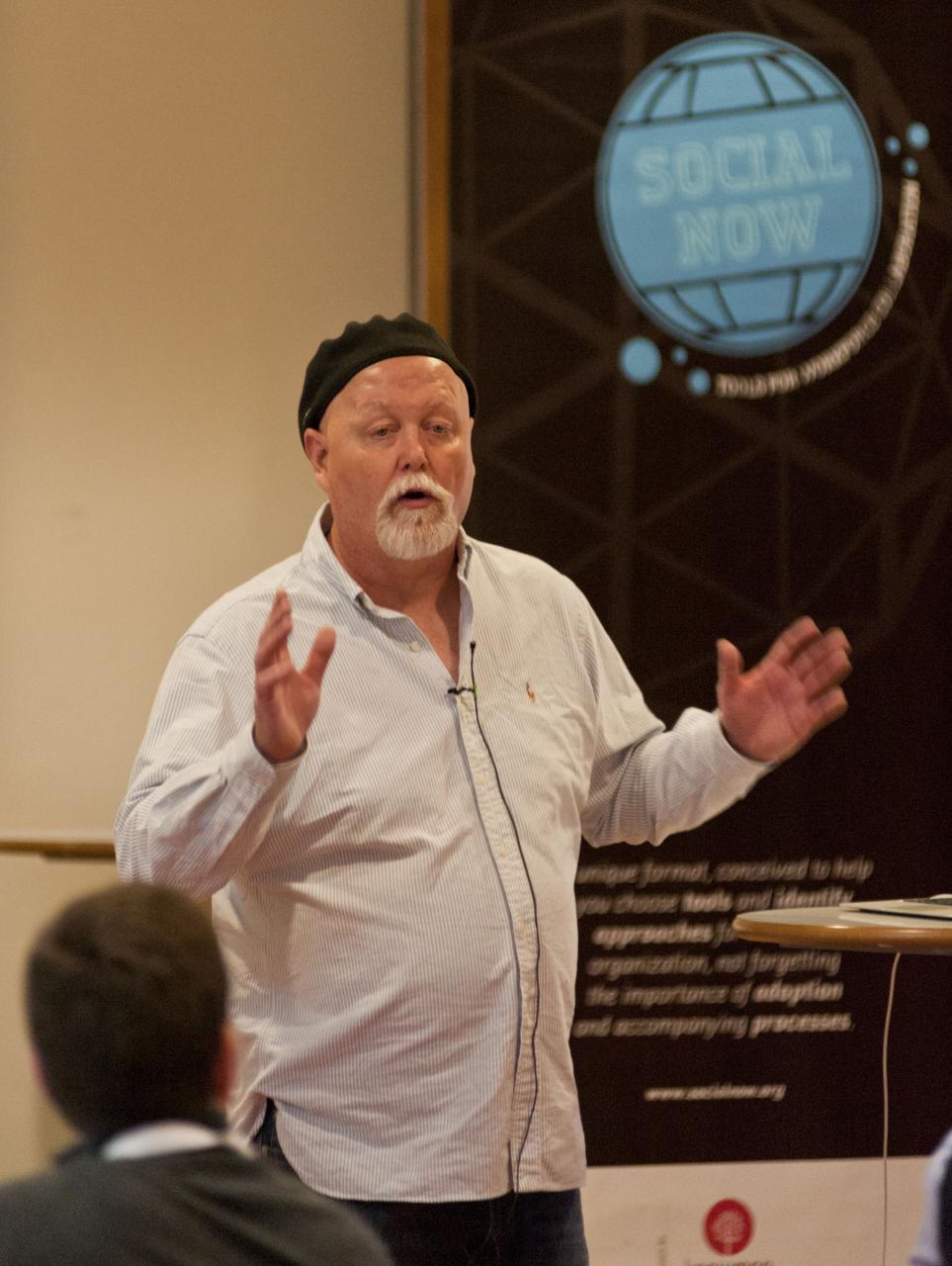
Ana Neves

Ana Neves

I’ve been in Lisboa at SocialNow 2013.

It’s a unique format event, the brainchild of Ana Neves, wherein social tool vendors present their products to a to the senior management (expert panel) of a fictitious company (CableInc) in the presence of an interested audience.

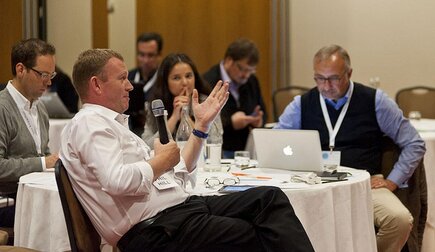
Expert Panel

Expert Panel


Here are my favourite tweets:

And a few tweets from me:

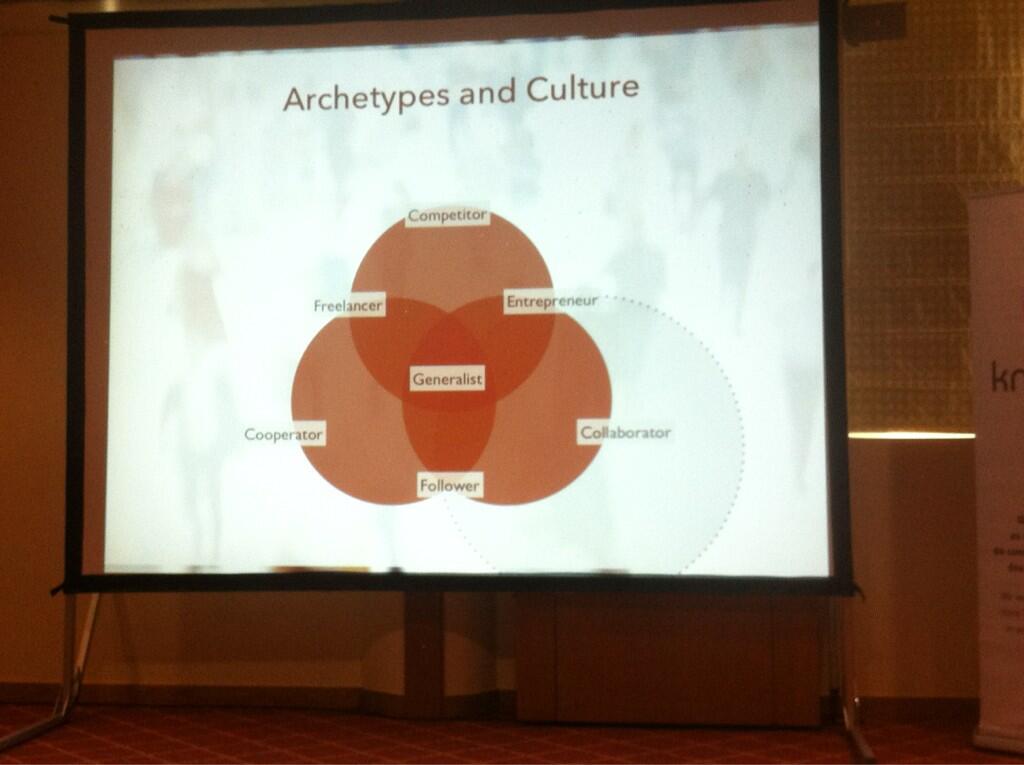
  • @stoweboyd idea of future archetypes compelling. World of tomorrow: Freelancers, Generalist, Followers and Cooperators

    BIObrfzCAAAdOxc.jpg_large

    Archetypes of Future Workers


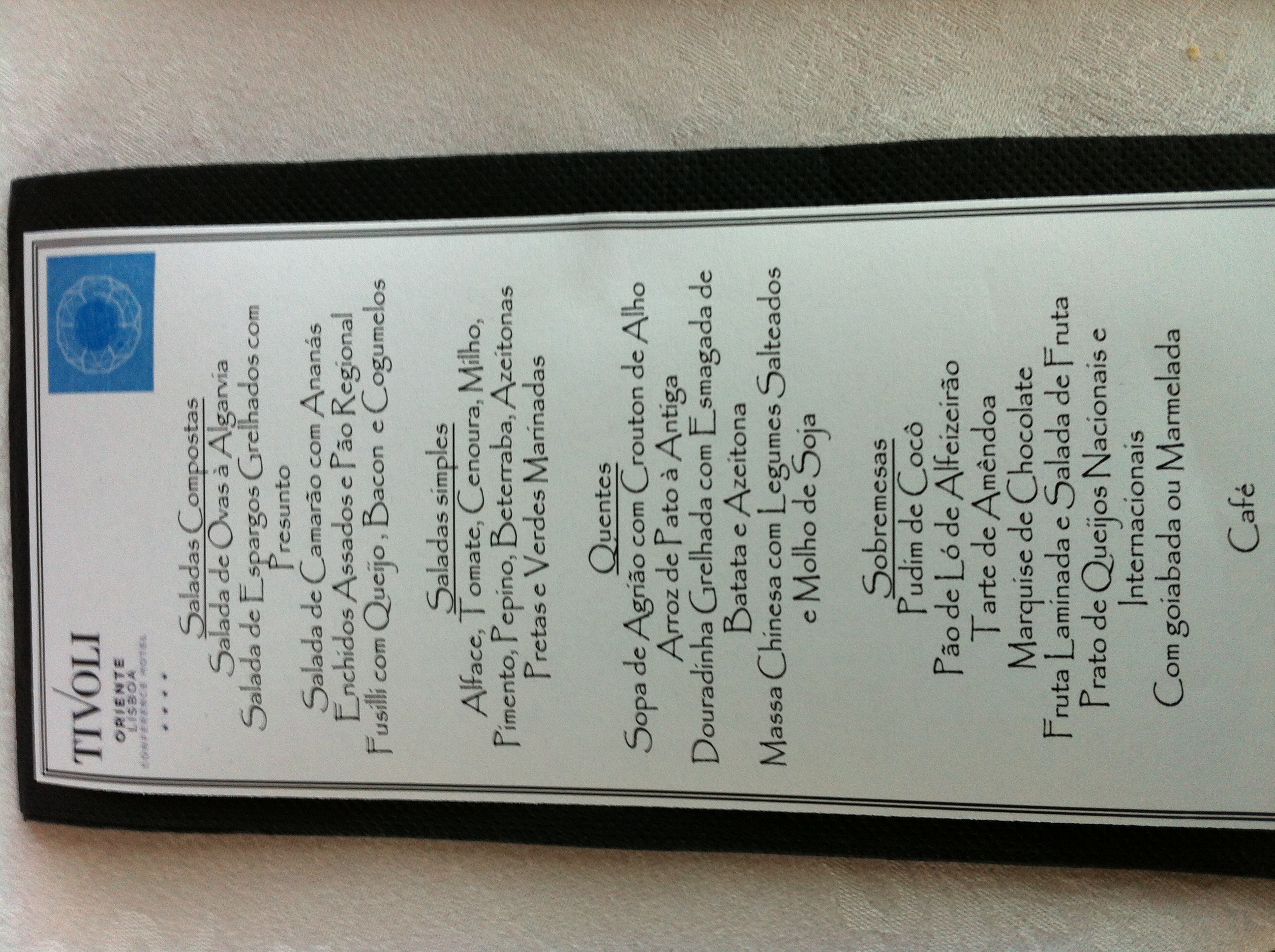
It being Portugal where food and wine are essential for networking it had to be first class and it was – this is the Day Two lunch menu!

IMG_0828

Day Two lunch menu

If you’d like to see the #socialnow twitter streams I consolidated them into a Storify account which you can find here.